March 6, 2026
Azikazin Magic World’s “Shining Portal” Making Part. 1
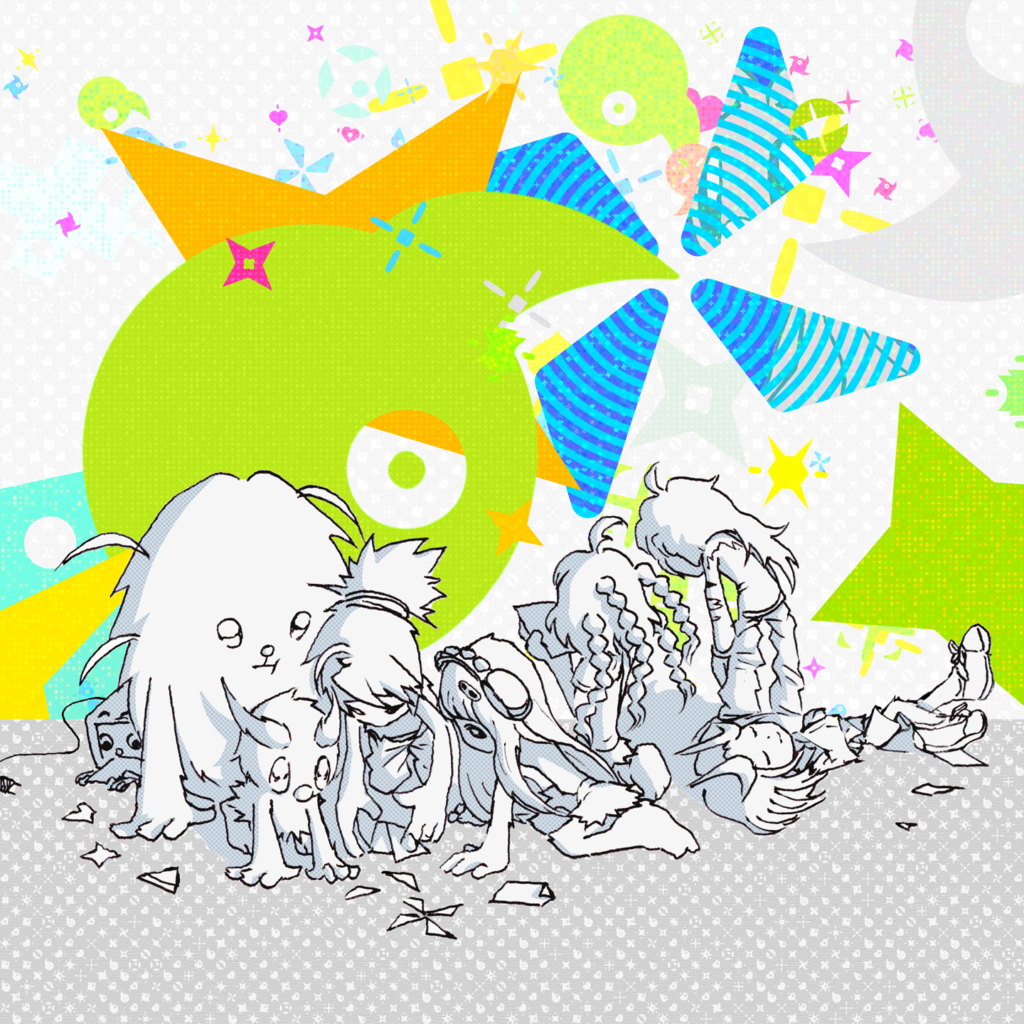
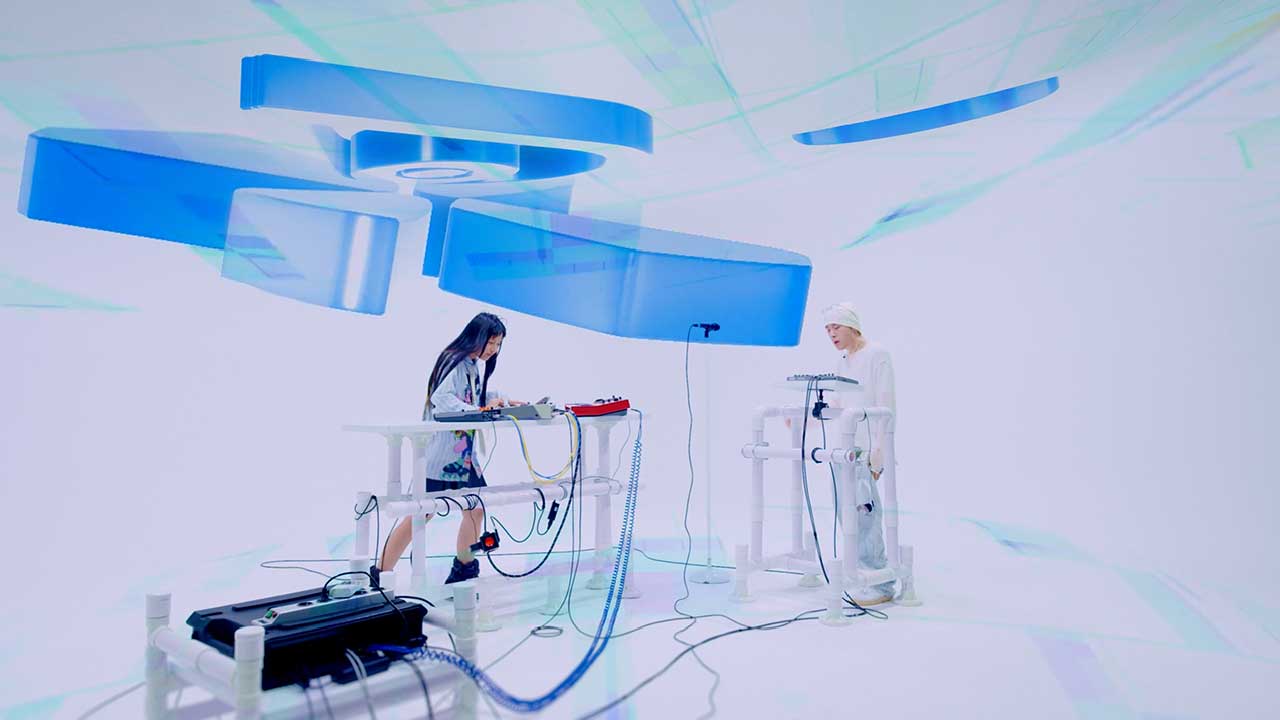
Azikazin Magic World released their first full-length album [Memory Overdrive] on January 28th. The solidly crafted 13-track album delights the ears by freely slicing and combining a diverse range of genres including Drum and Bass (DnB), Jersey Club, Jungle, and Breakcore.
Prior to the album’s release, “Dorephin Shopping Center”, pre-released through their signature content series “Rhythm* Pocket!”; “END!”, unveiled as a new drum and bass performance ‘Crazy DnB!’; and “Shining Portal”, which brings Azikazin’s worldview to life through animation — all further solidify their identity as a media mix creative group. The animation added to every track except “delete” shows just how much effort they poured into this album.
In particular, “Shining Portal,” released as a fully realized animation, delivers a bittersweet and quietly moving experience to both longtime followers of Azikazin’s worldview and newcomers alike. From the Takashi Murakami-esque graphics, to Jujubee transforming like a Digimon evolution, to the game screen formats of the late ’90s and early 2000s, to the refreshing color palette of Frutiger Aero — as you watch their visuals in a daze, a feeling of exhilaration and joy wells up somewhere in the corner of your heart.
“Losing memories to save friends”
‘Memory Overdrive’, which also serves as the album title, refers to the final blow that Jujubee — a small creature from Dorephin Village — deals to the enemy. After using this grandly named technique, Jujubee gains great power, but soon loses a portion of the memories built with friends in ‘Dorephin Village.’ The small creature Jujubee, shouldering this heavy burden while protecting their friends, and the friends who cherish them — TraKids. Their story, unfolding around ‘Dorephin Village,’ is brought to life by the five members of Azikazin Magic World and the creators who collaborate with them.
As mentioned, they are a media mix group. That is why experiencing an Azikazin Magic World album is only truly complete when you follow not just the rhythmic music, but also the music videos, various artworks, and even the worldview spread throughout every corner of their carefully tended website. This interview was conceived with that in mind — to capture the stories of everyone who participated in their expansive worldview.
For today’s content, the Azikazin team takes the wheel as the questioners, with VISLA editor Tontojang riding along in the back seat of the taxi. It feels a bit like the editor’s duties have been handed off to the Azikazin Magic World team — but hey, why not? Anyway, let’s go.

For reference, this Making is based on the concept of ‘going directly to the homes of the staff who made the work!’, in collaboration with VISLA editor Tontojang and the Azikazin Magic World on-location Editorial Team — so please keep that in mind as you read.
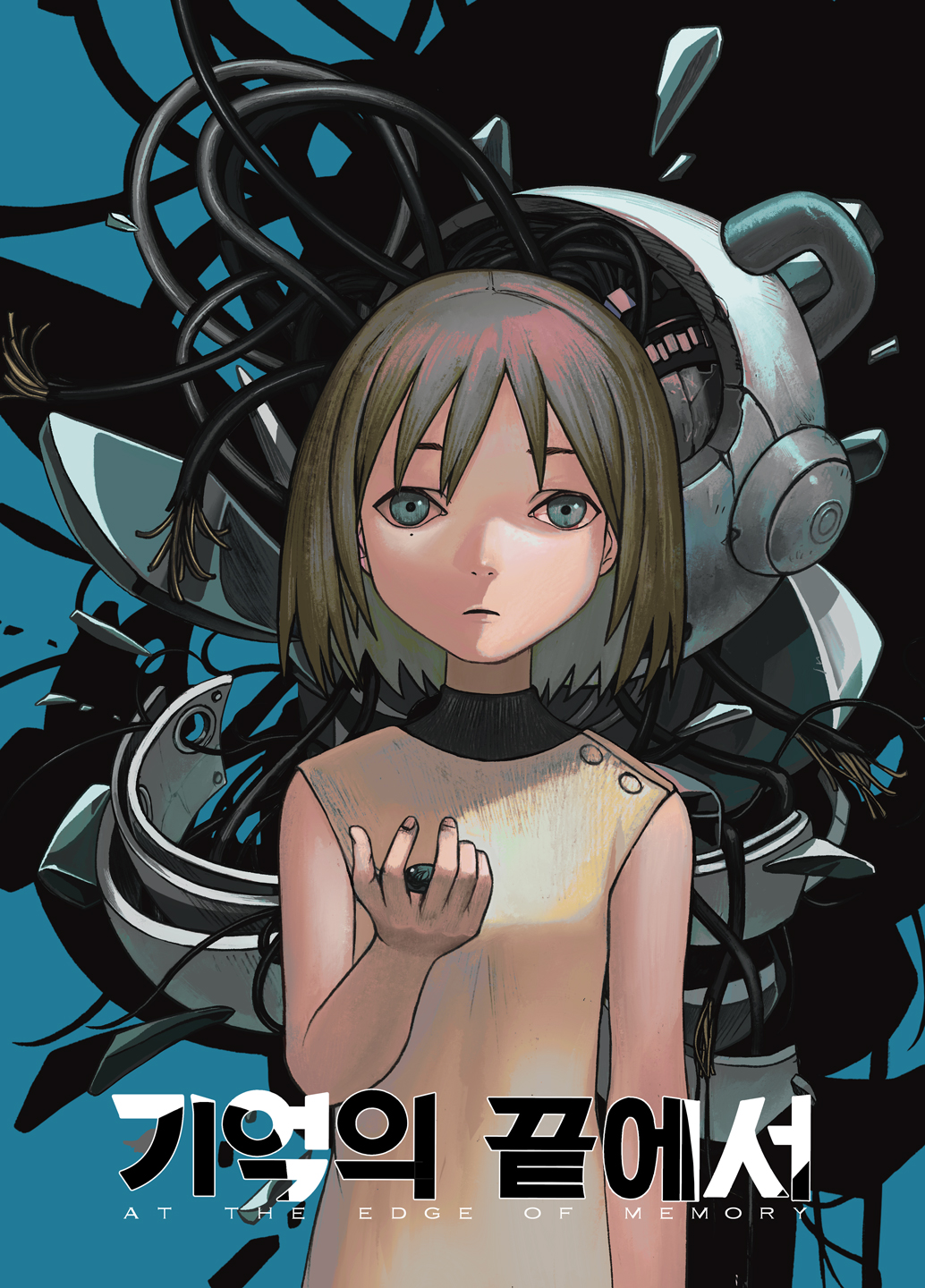
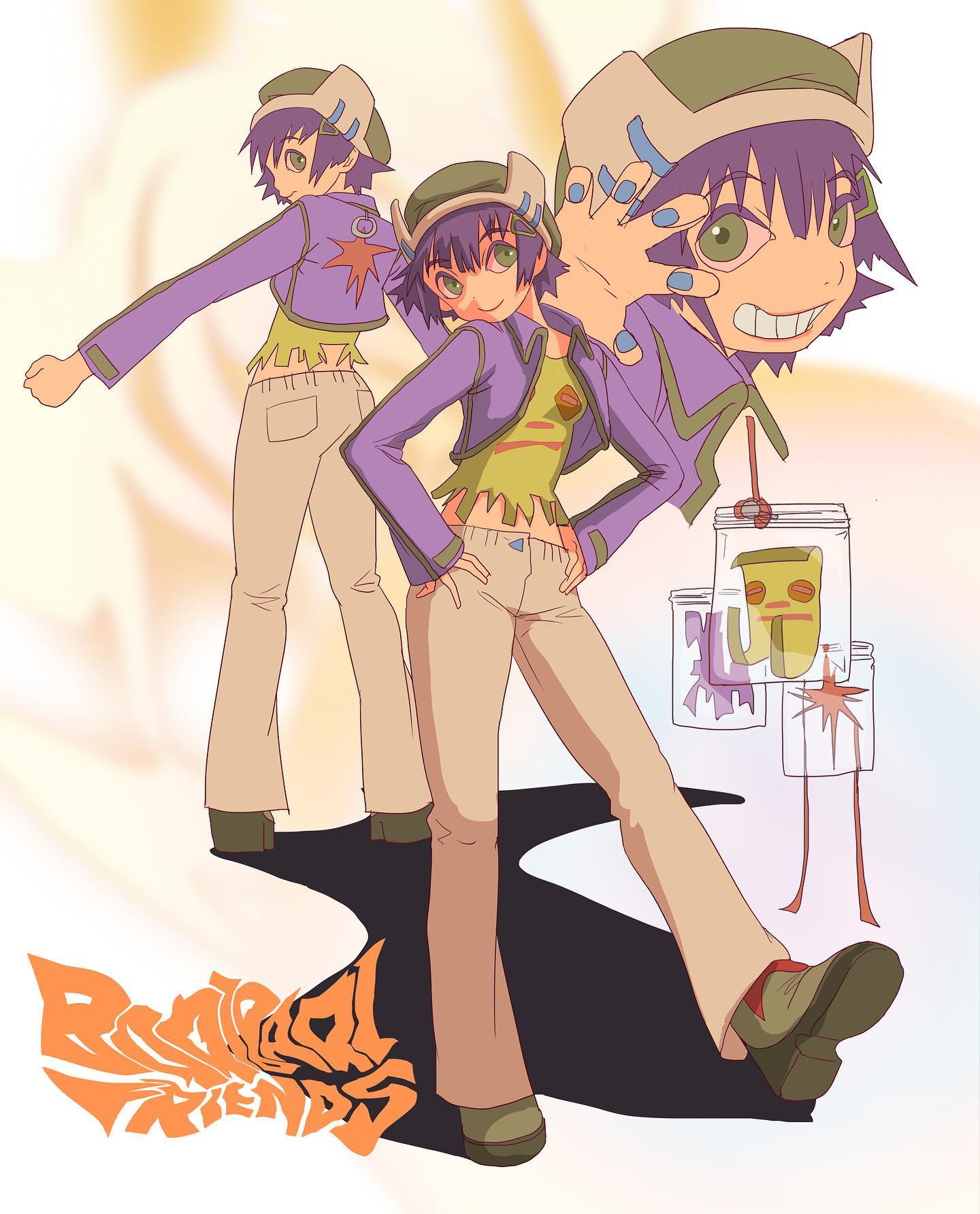
Jeong Hara: Animation director based in Korea. Directed the game-nimation “Shining Portal,” and is currently directing “Bari Bari Friends,” her own original work series.




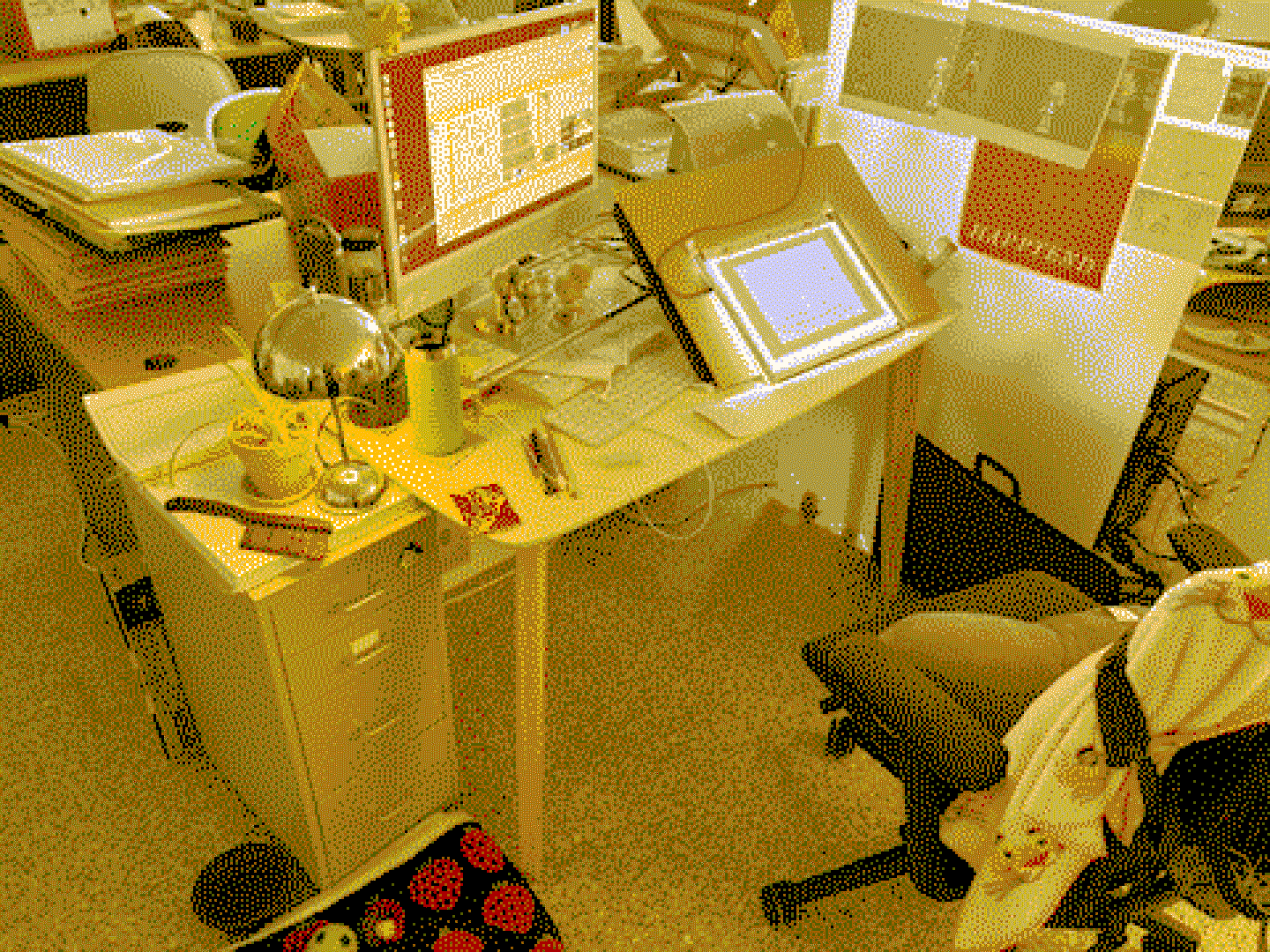

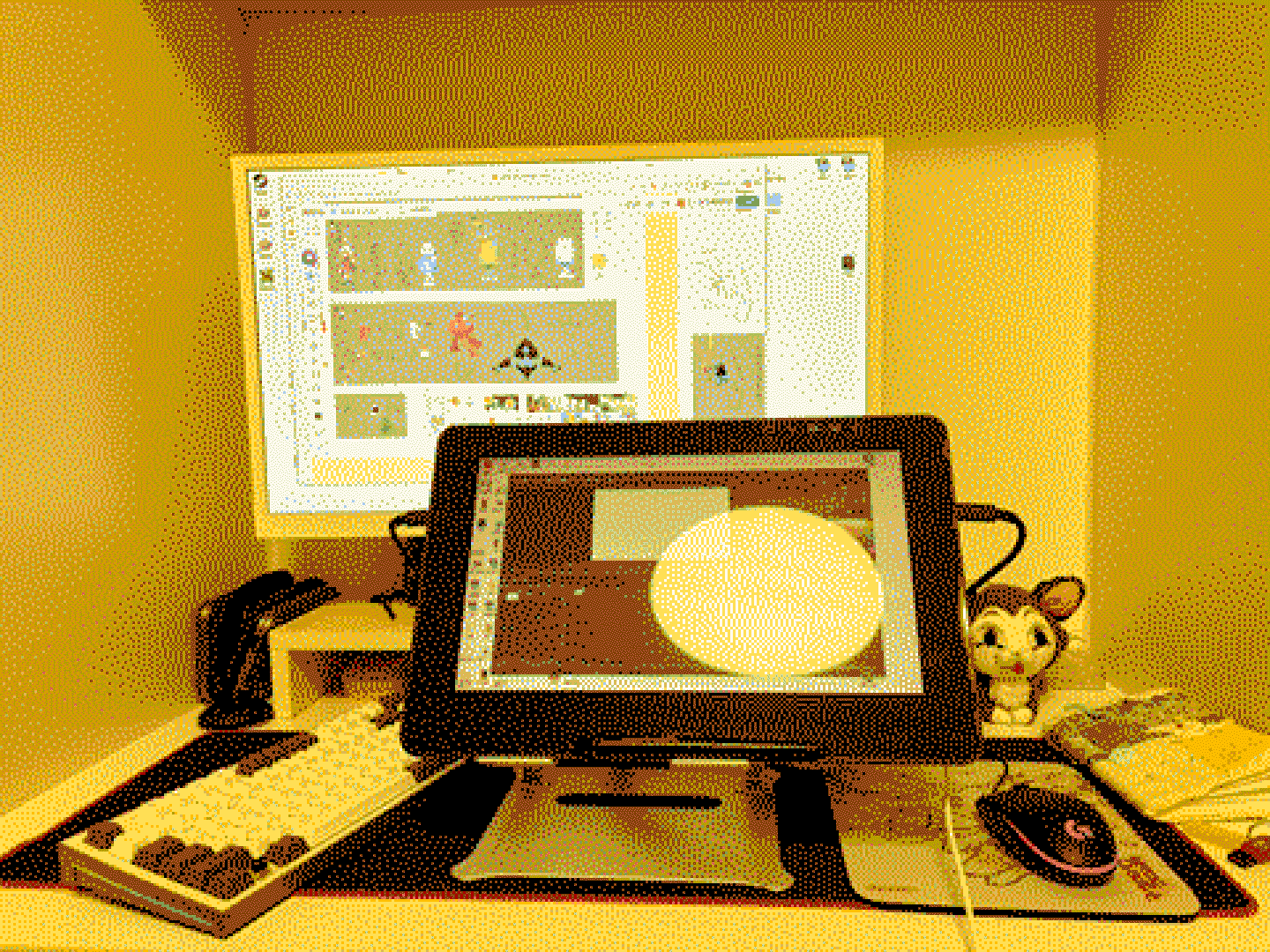
Jung Wonhee: Animator based in Korea. Participated in “Shining Portal” as co-director and assistant director.
After that, I focused on exchanging ideas with Director Hara to check the flow of transitions, and on organizing and firming up the preparation process before diving into full production. I also assisted the head animator and took part in the animation work.
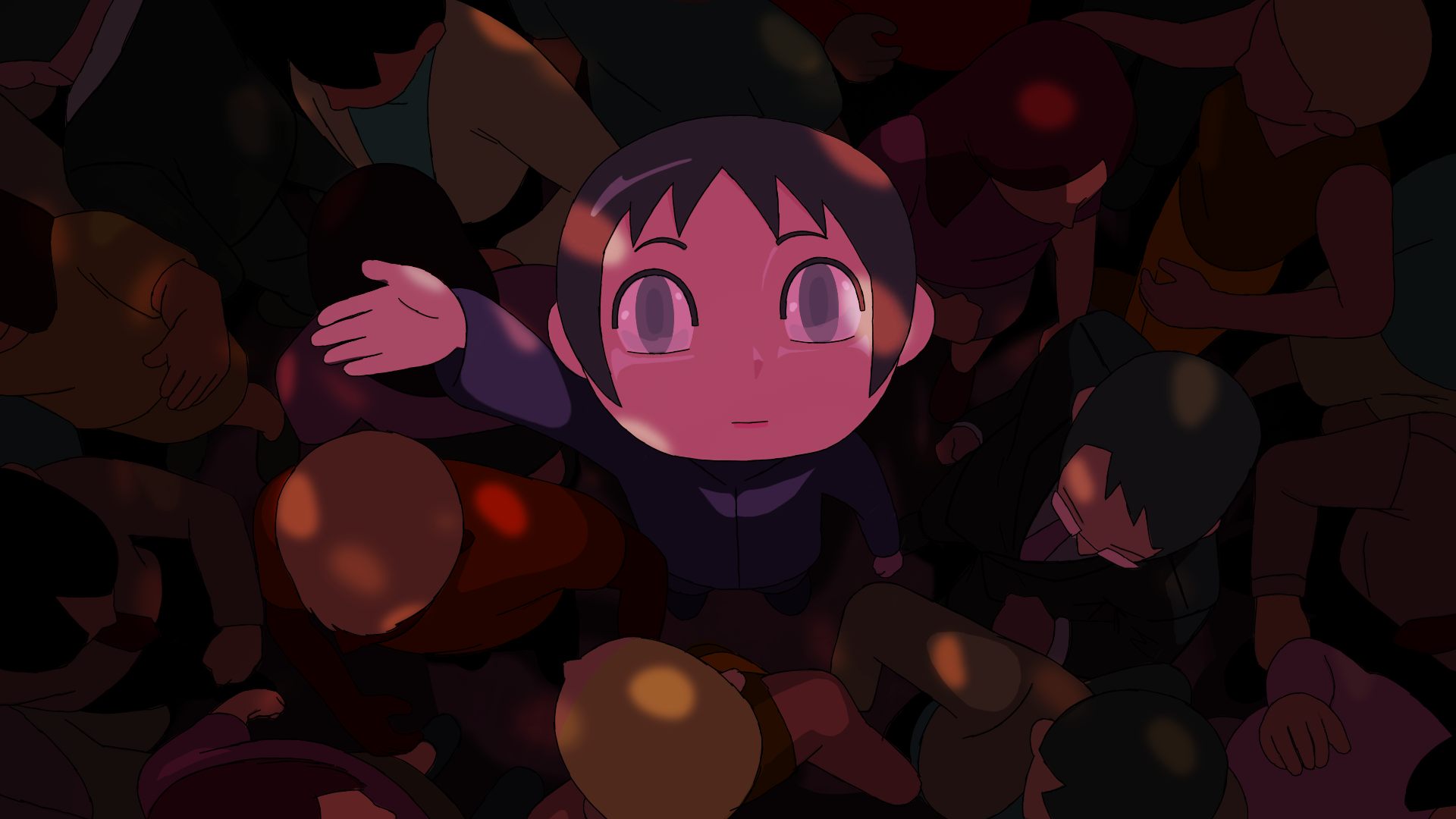

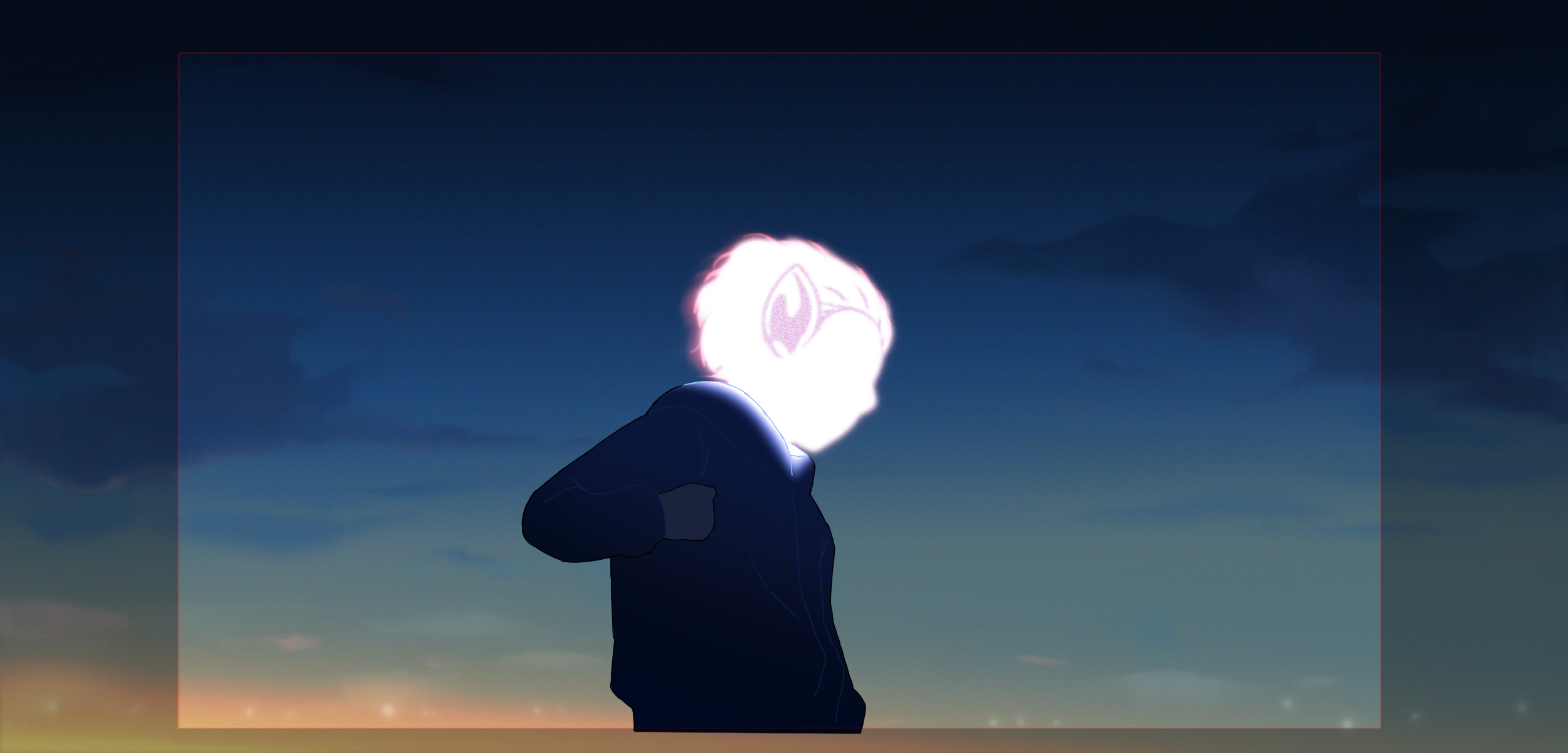
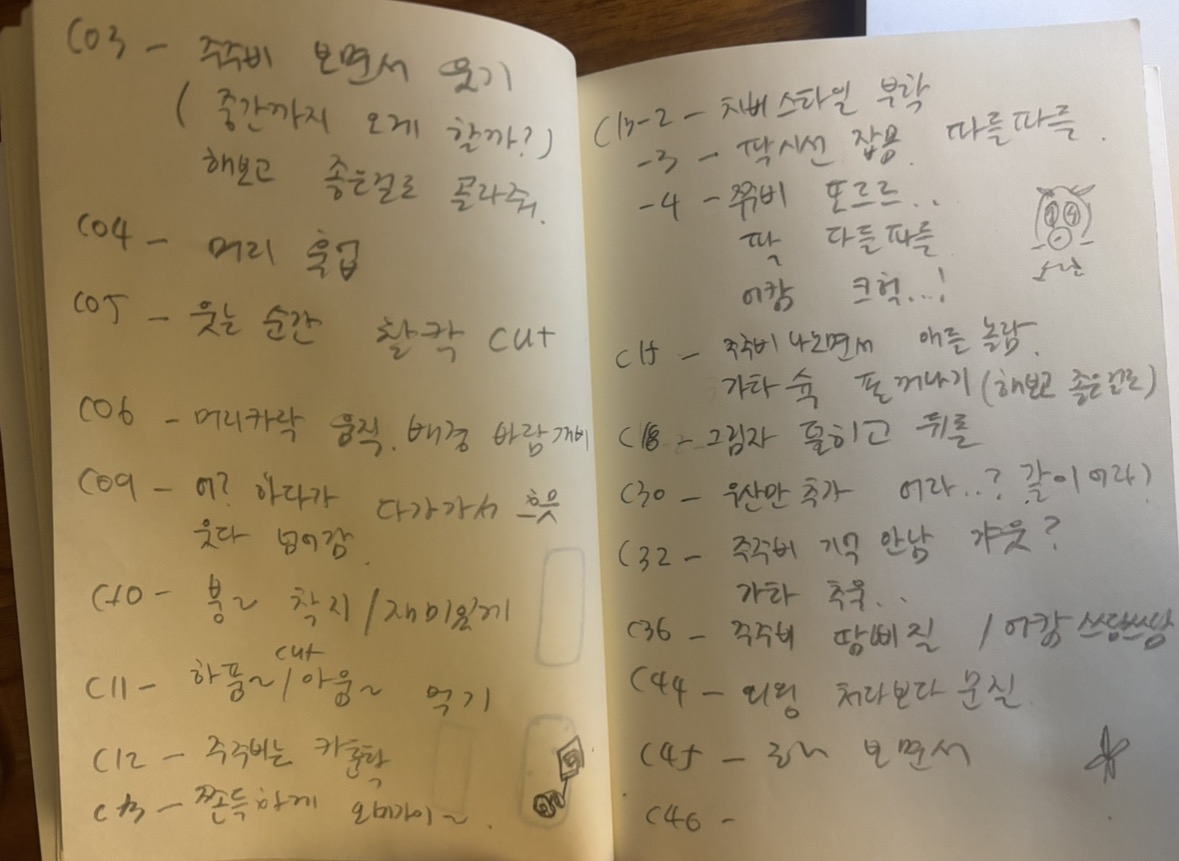
It was a short cut, but what sticks with me most is the memory of us exchanging videos of our own faces acting out Moa — all in pursuit of what we’d call between ourselves ‘sexy acting,’ that perfectly timed animation. Behind Moa’s beautiful, sweet expression lies the behind-the-scenes truth of our rather dark(?) facial performances.
Anyway, thanks to that process, I also got my hands on an adorably incriminating(?) video of Hara that I can tease her with — so personally, it was quite an enjoyable piece of work.

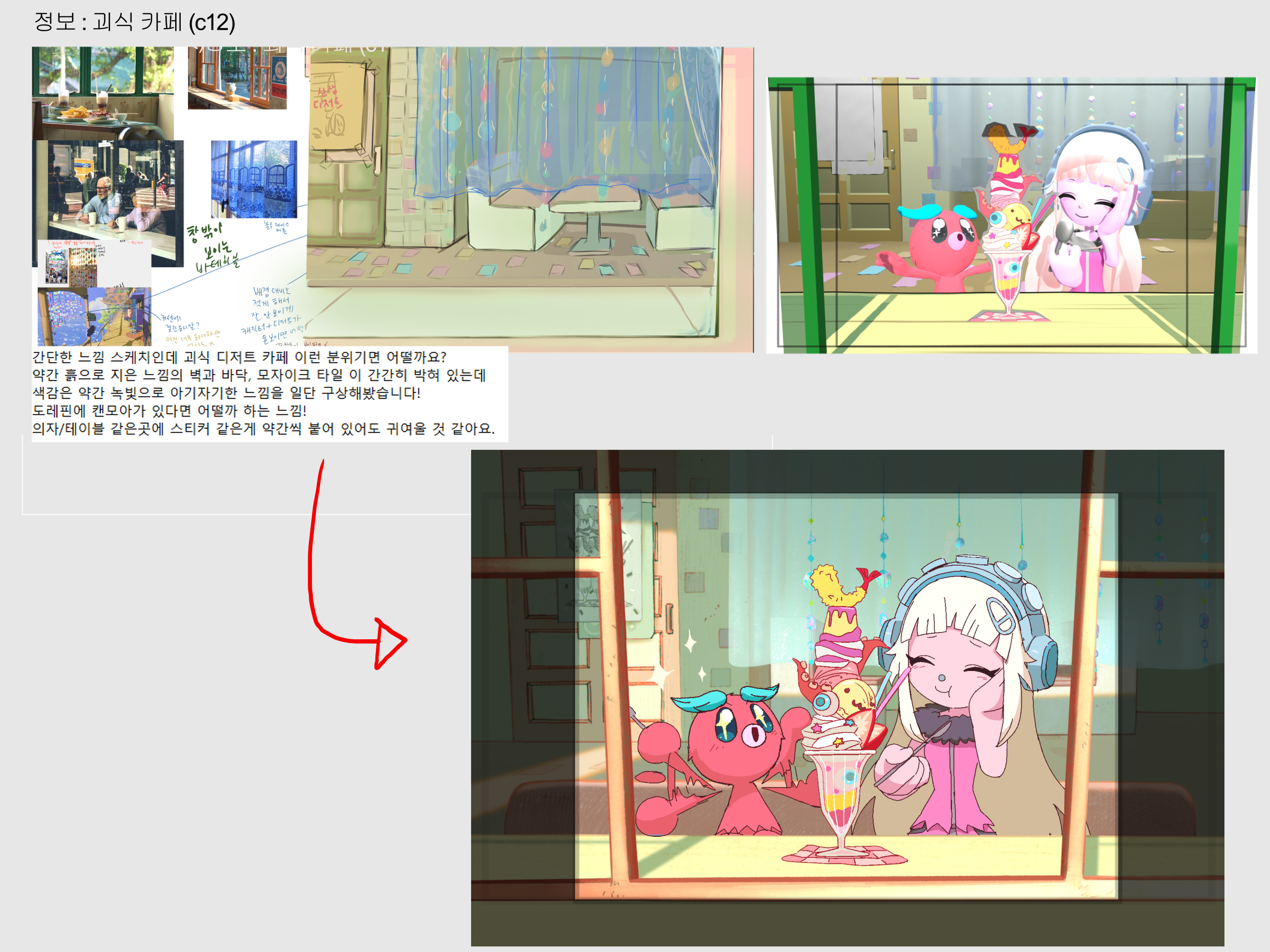
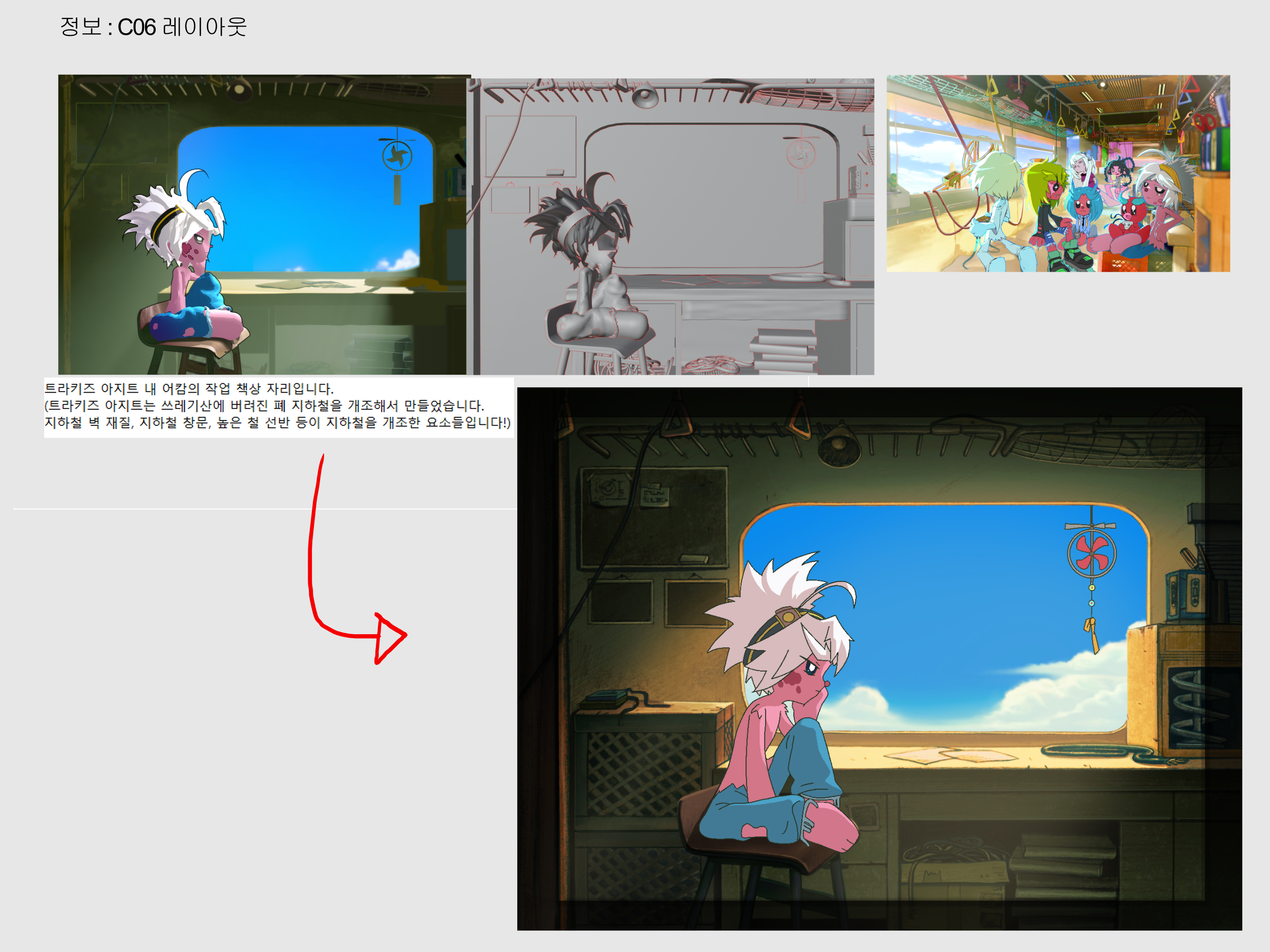
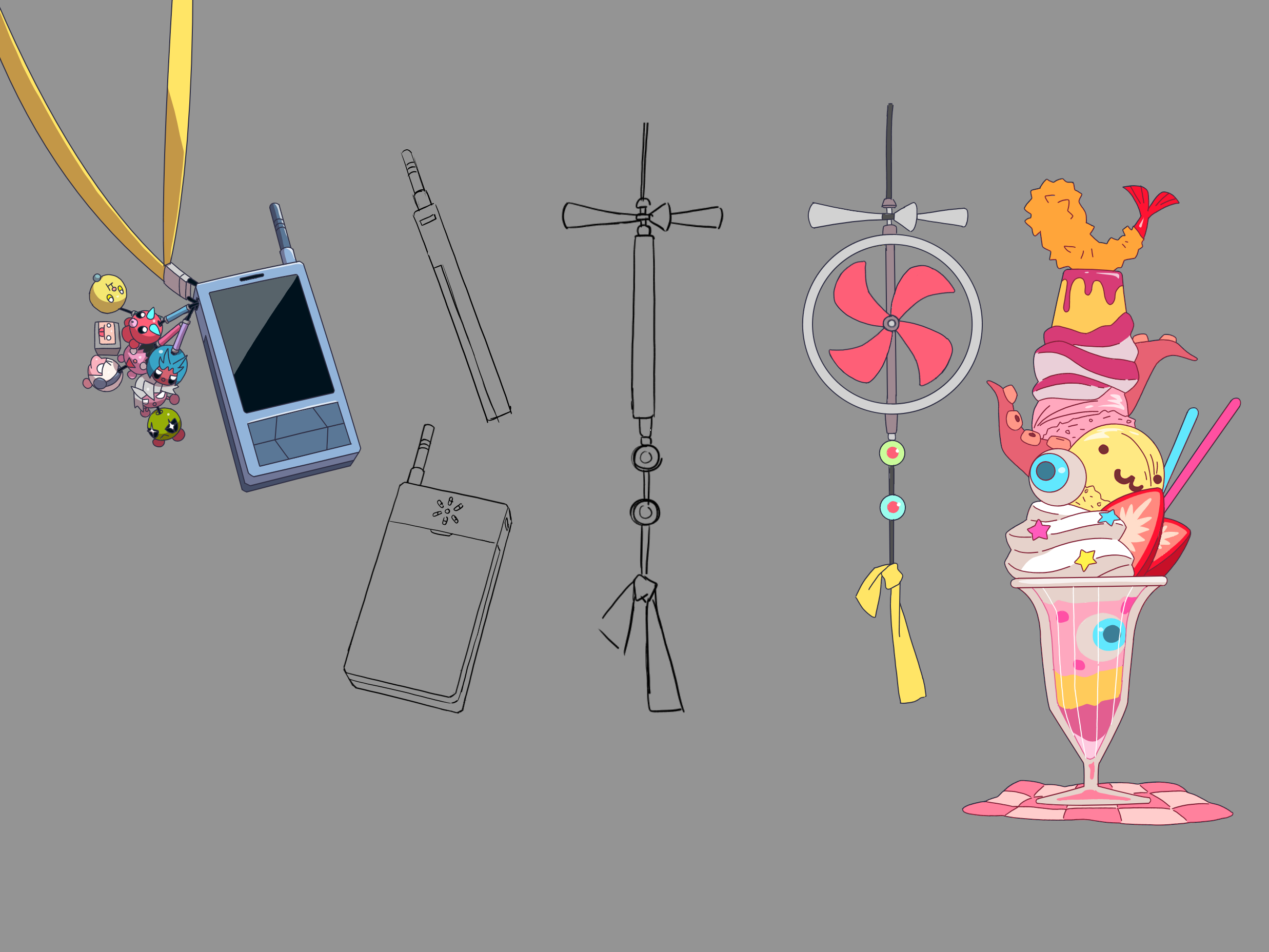
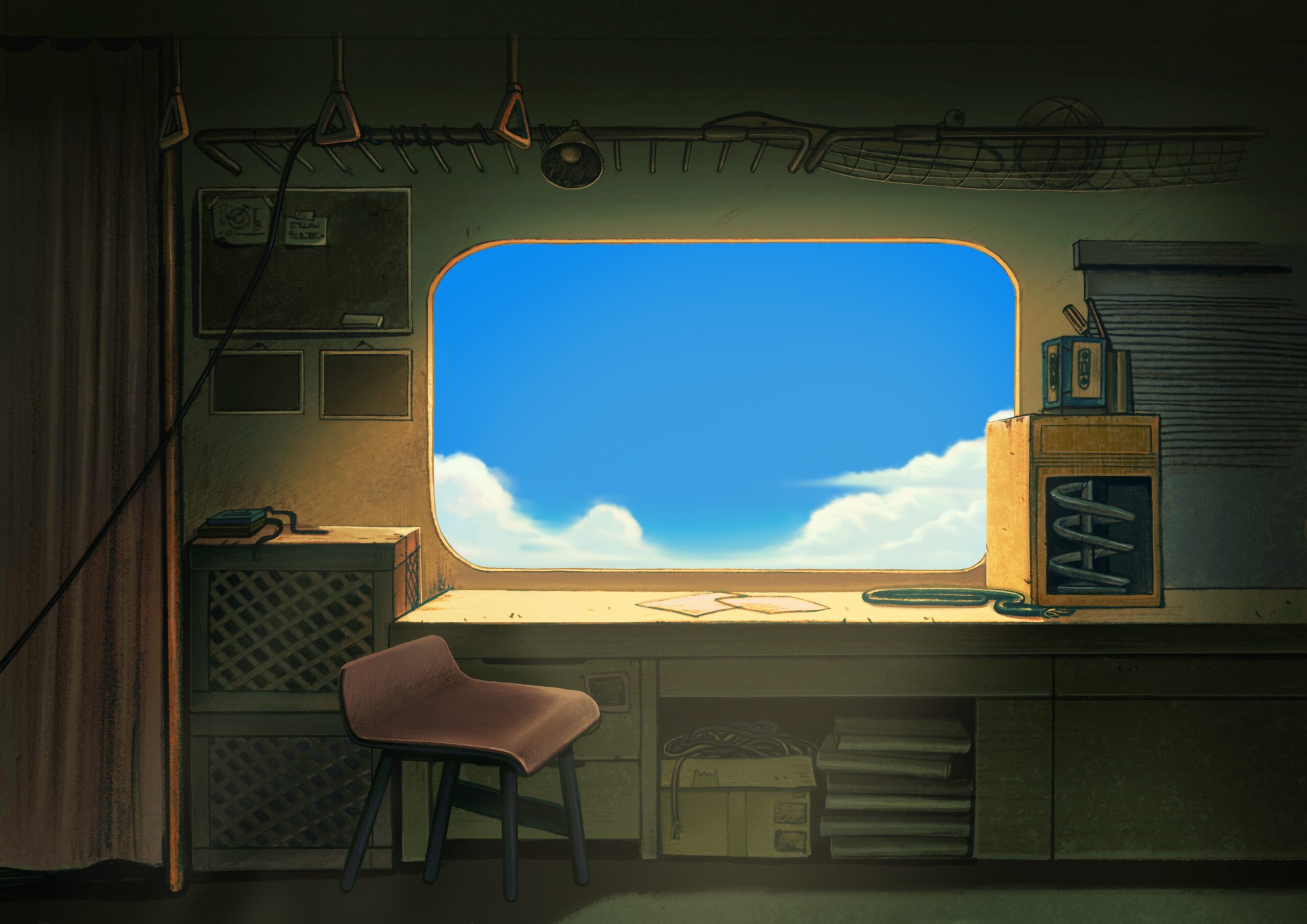
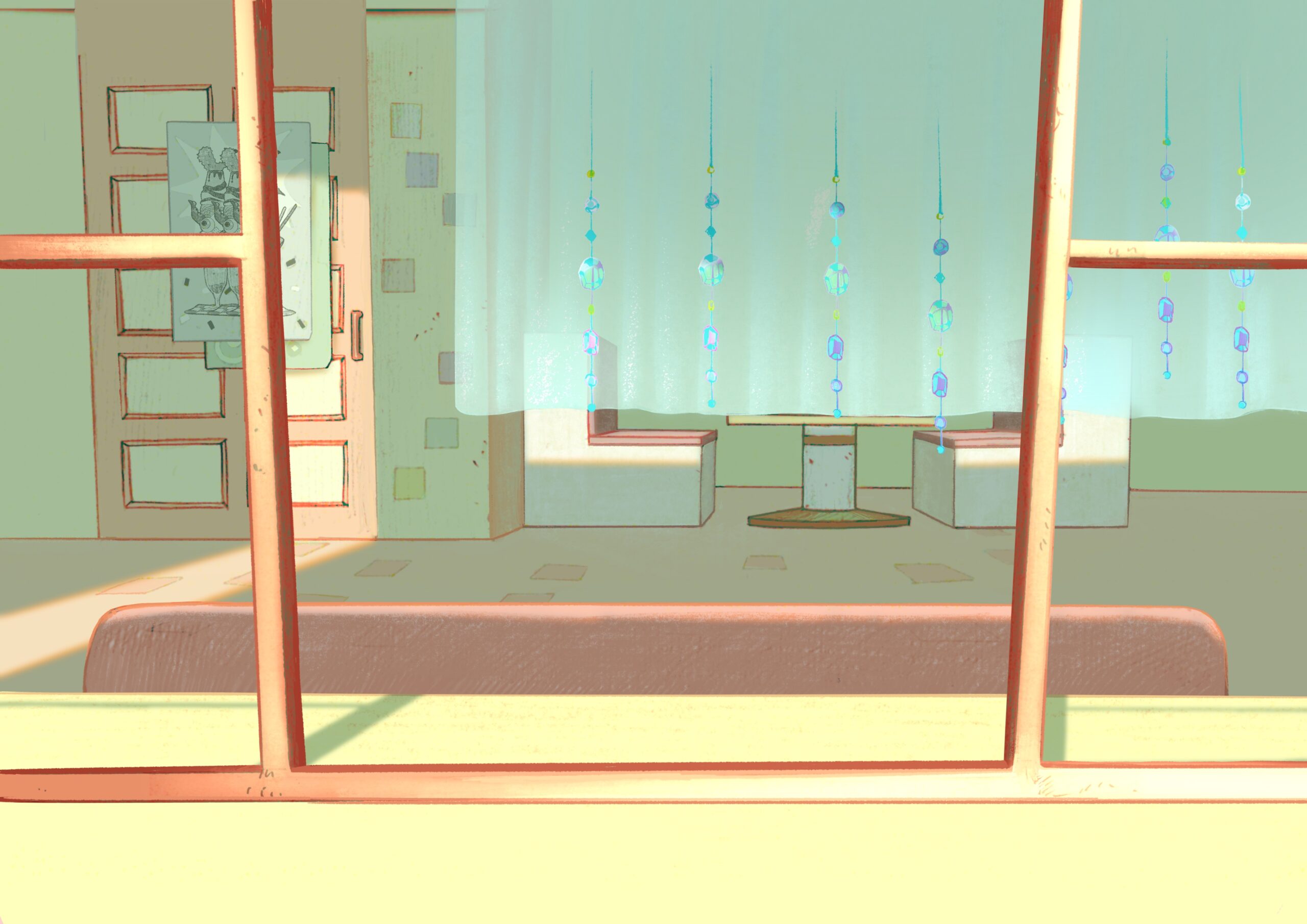
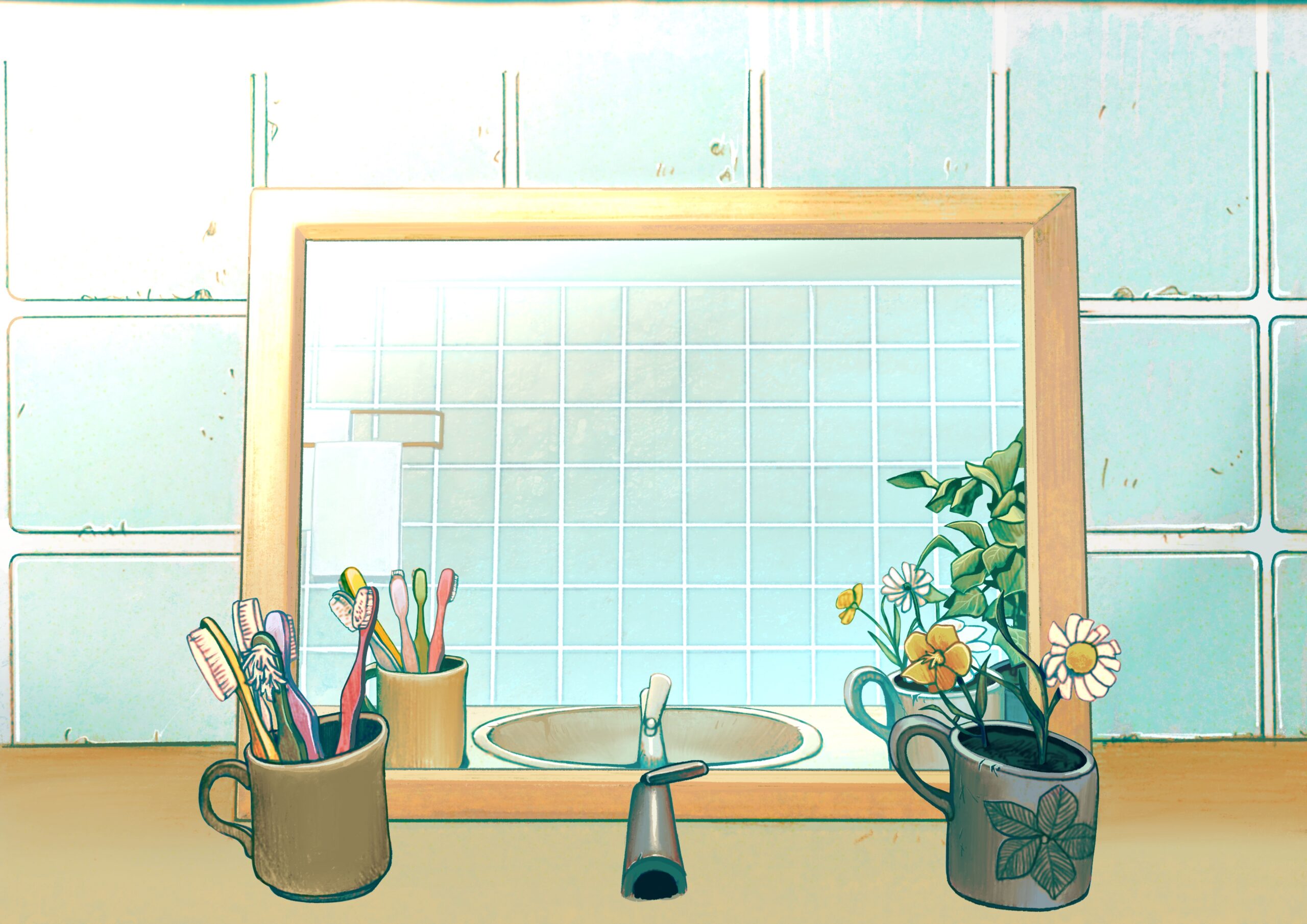
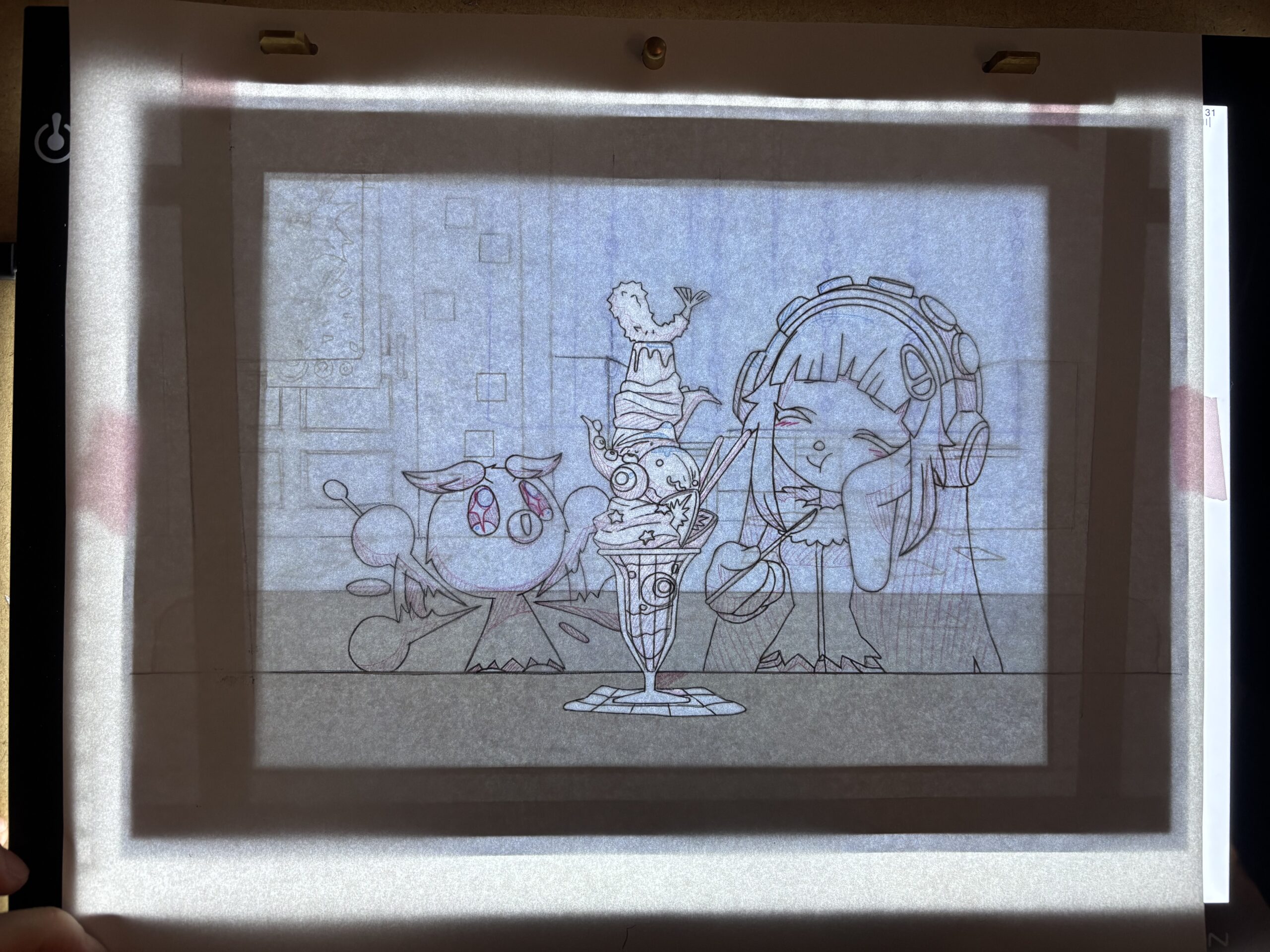
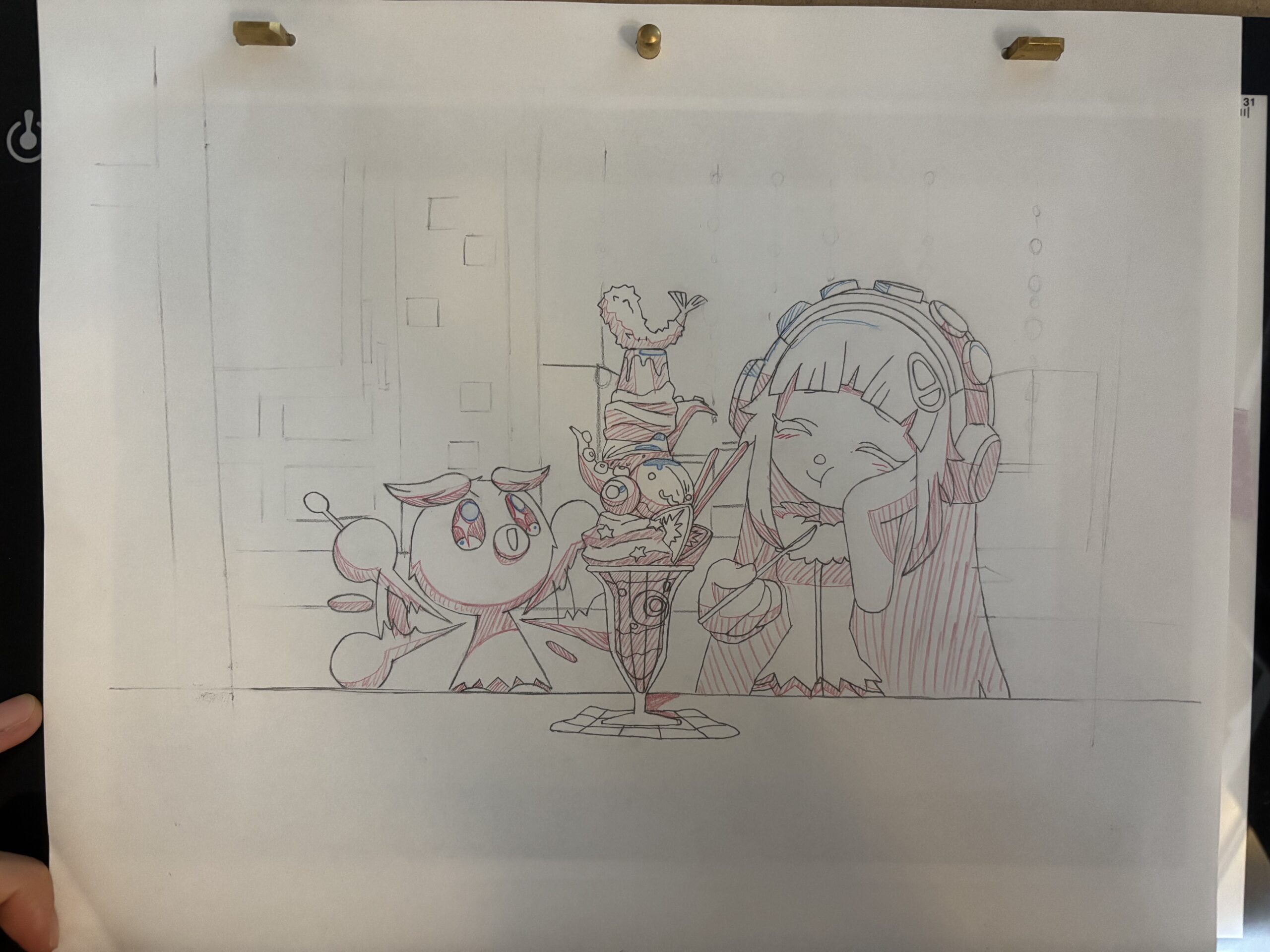
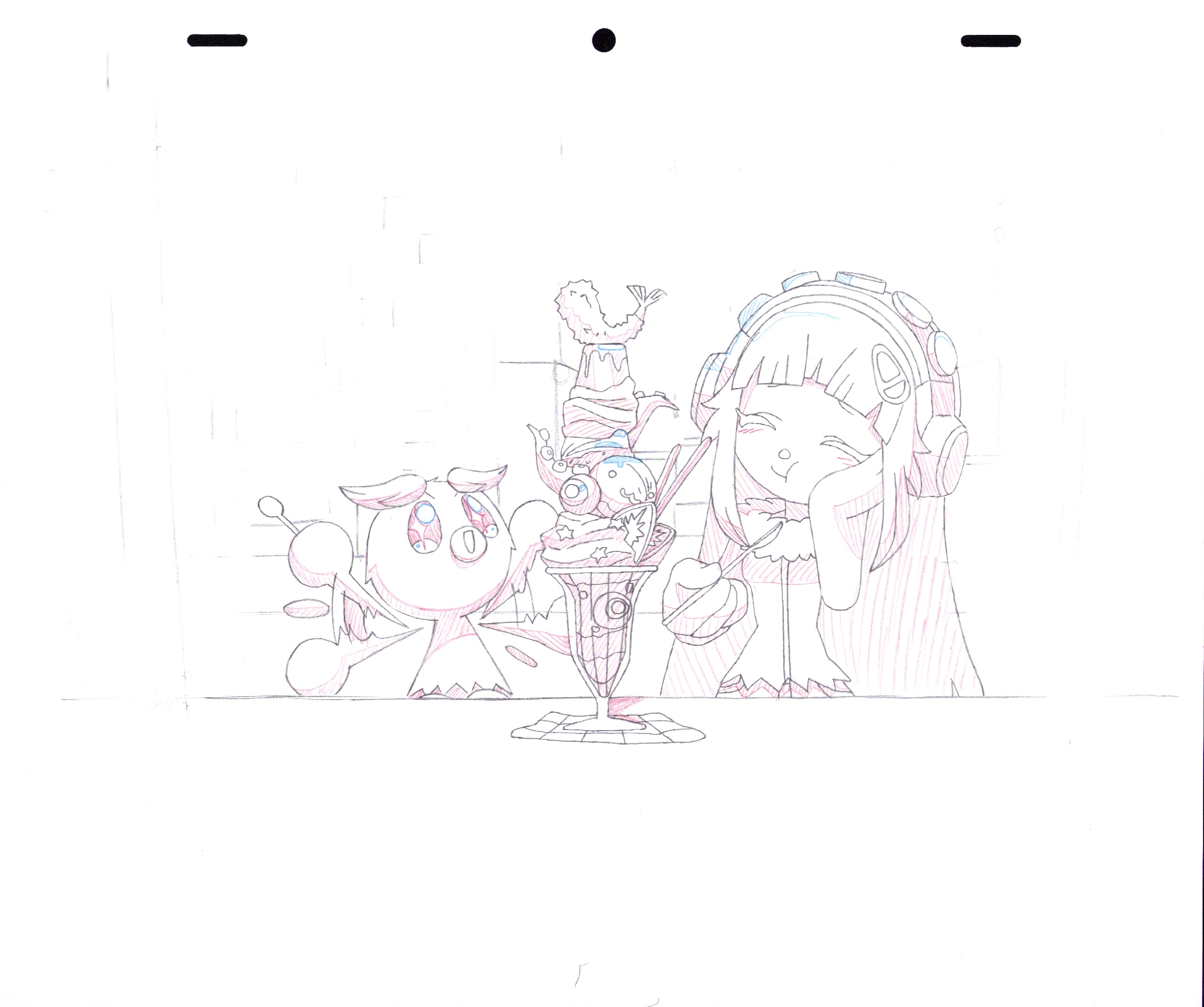
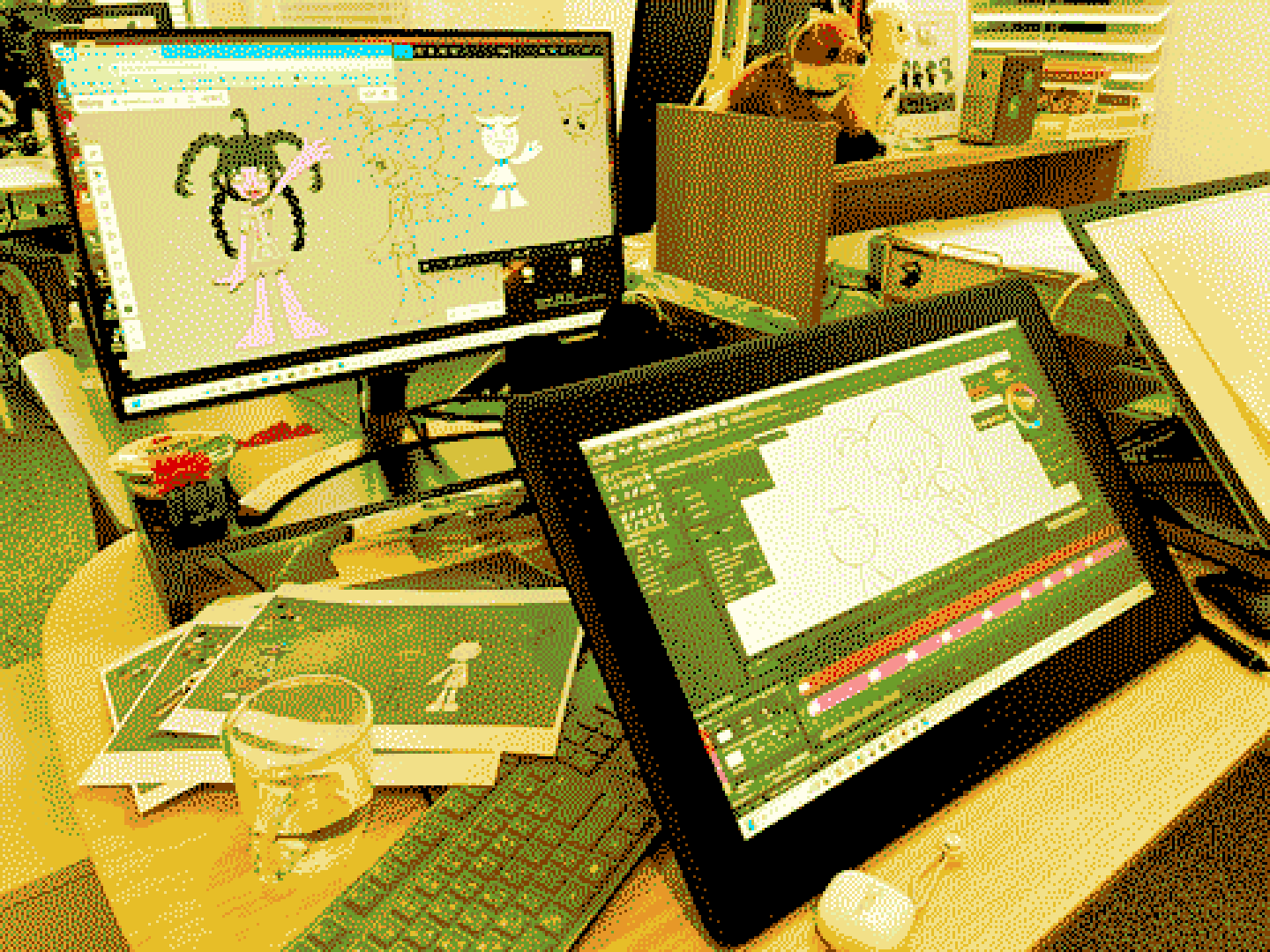
The kind of inspiration that comes from the tactile quality of physical objects tends to stay with me for a long time, and I find myself often recalling that sensation when I’m working. For Shining Portal too, I wanted to capture the sensibility of Japanese animation like Digimon or Ojamajo Doremi. So I wanted to weave in the atmosphere of cel animation and layout sketches somewhere in the production process.
The final product would be produced and output digitally, but I thought that even if the paper-feel work wouldn’t actually be used, separately keeping a record of it might let me hold onto that atmosphere throughout the project. In a way, it’s a kind of self-deception. But when you’re pushing through a long animation project, these little self-indulgent acts of fantasy can be quietly empowering.
So there’s also a process where I separately captured a few sections I animated in “Shining Portal” in cel animation style. It was pure personal satisfaction, and I didn’t show it to the team separately… but I’ll take this interview as an opportunity to share a little peek.
Kim Minju: Animator based in Korea. Participated in “Shining Portal” as the 2D head animator.
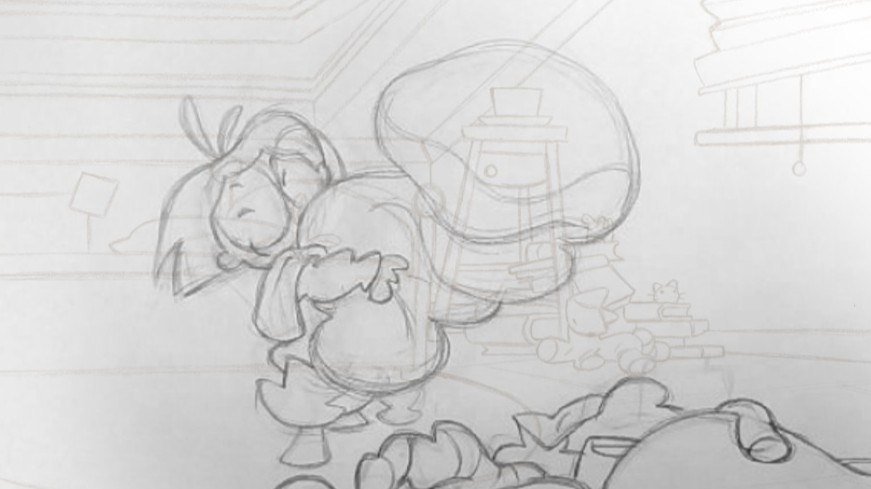
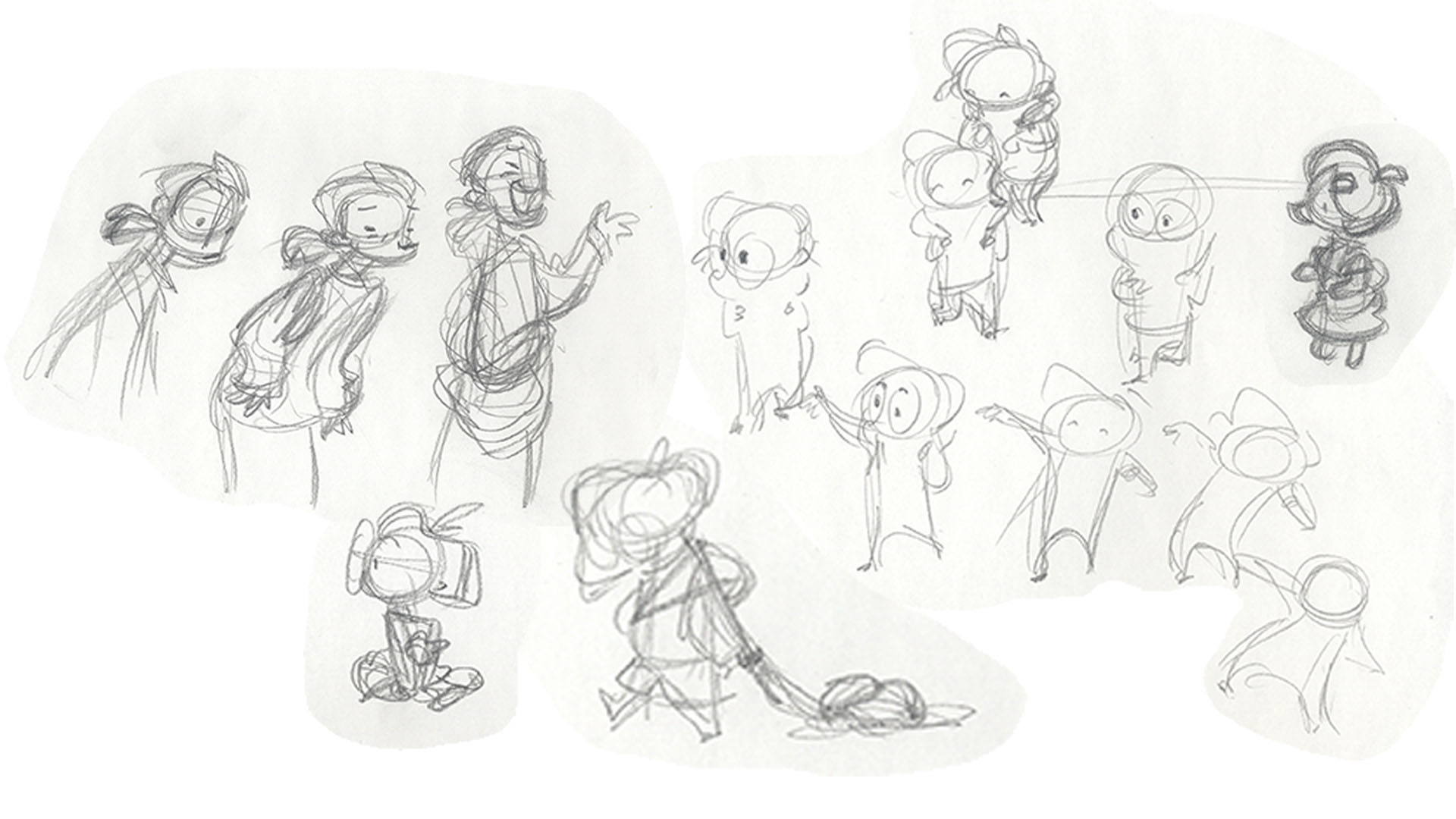
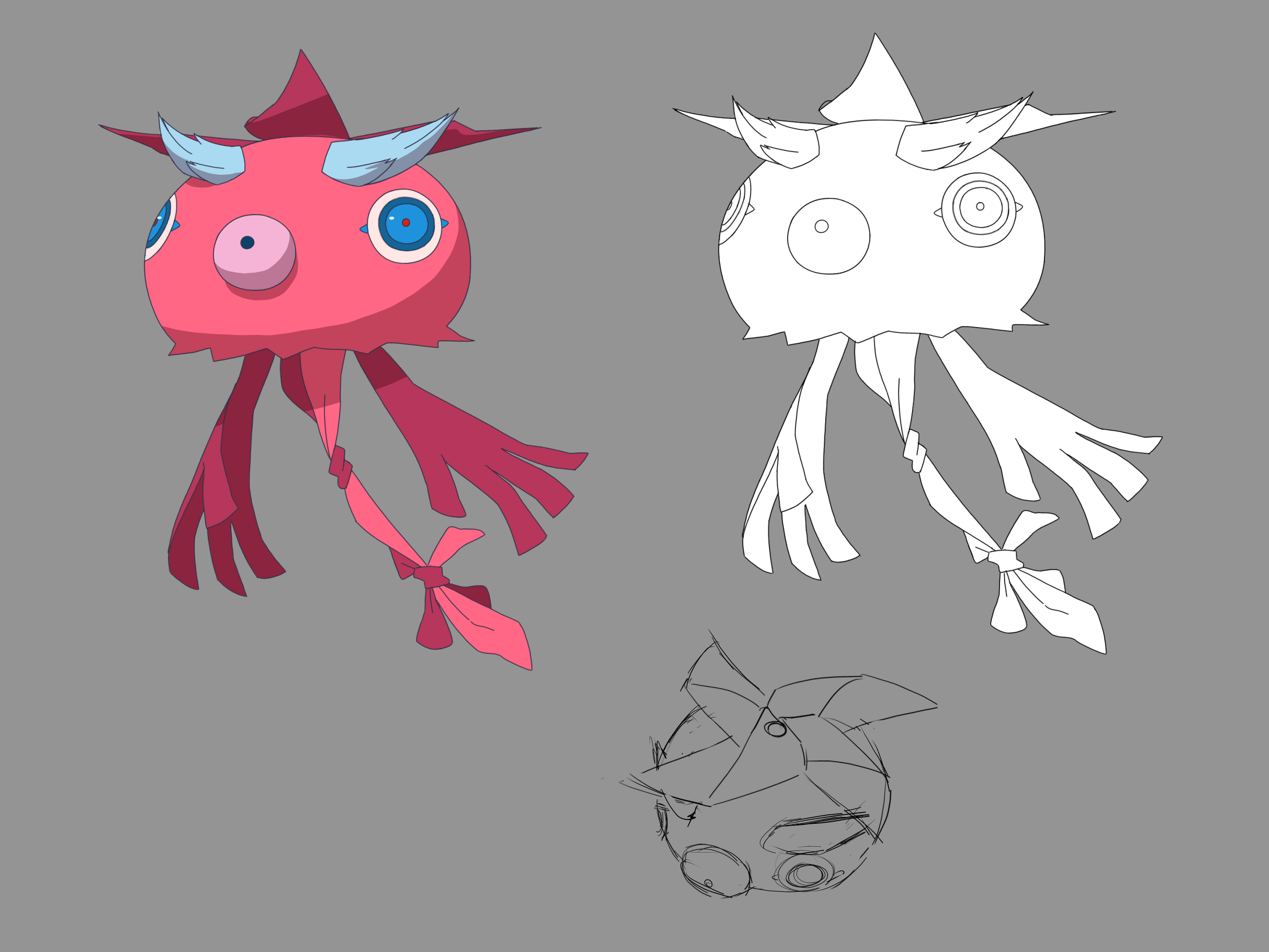
I asked the director a lot of questions, especially when it came to understanding Jujubee — things like, given that this character has the form of a ‘child,’ what age range is actually assumed, whether or not the character is aware of their own situation, and so on. I think I asked about everything from the small details to anything I was curious about.
And since this music video isn’t just a character introduction but carries a story in which these characters experience certain events and react to them, I tried to think more carefully about what each character thinks about Jujubee’s situation and what actions they take.
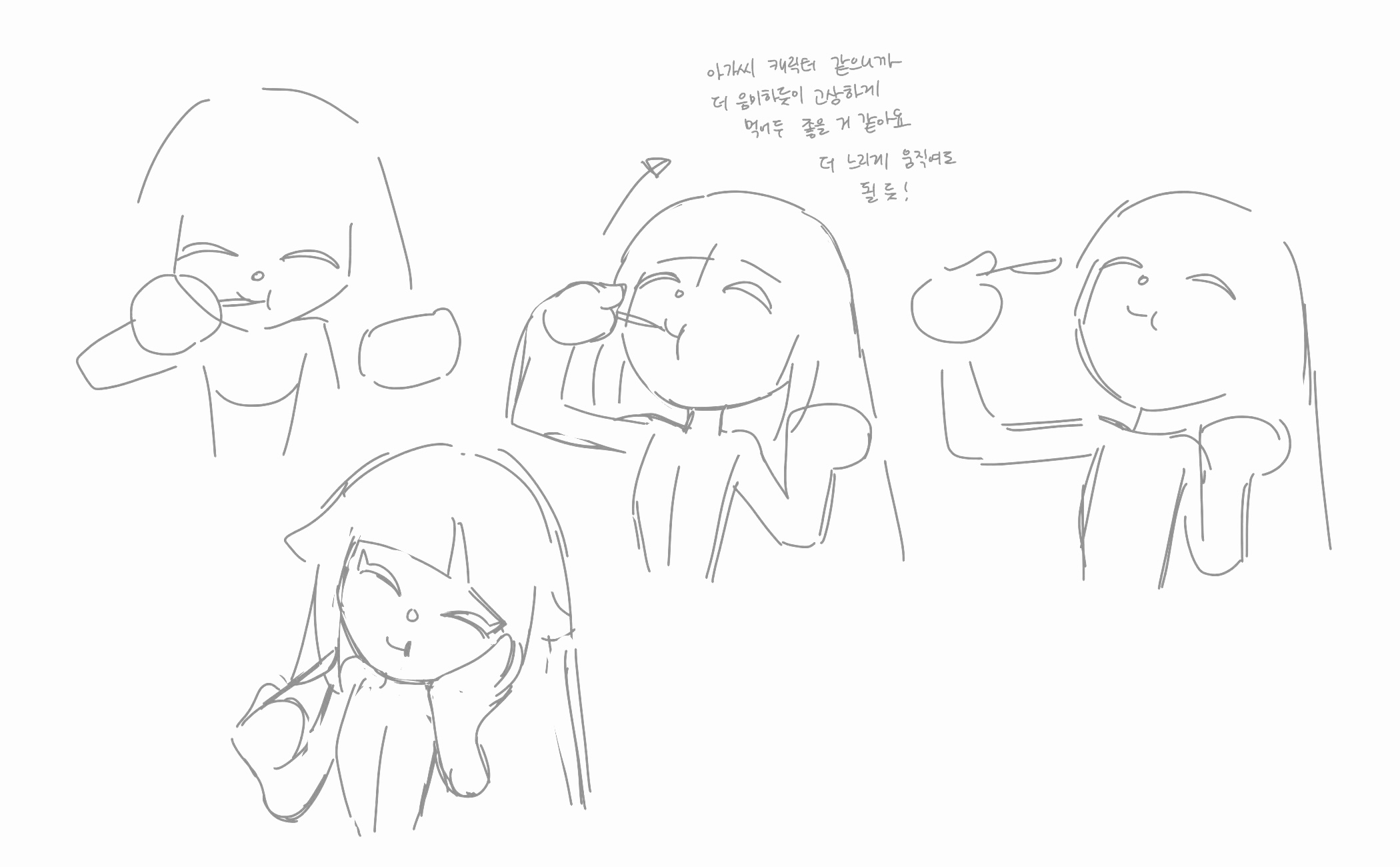
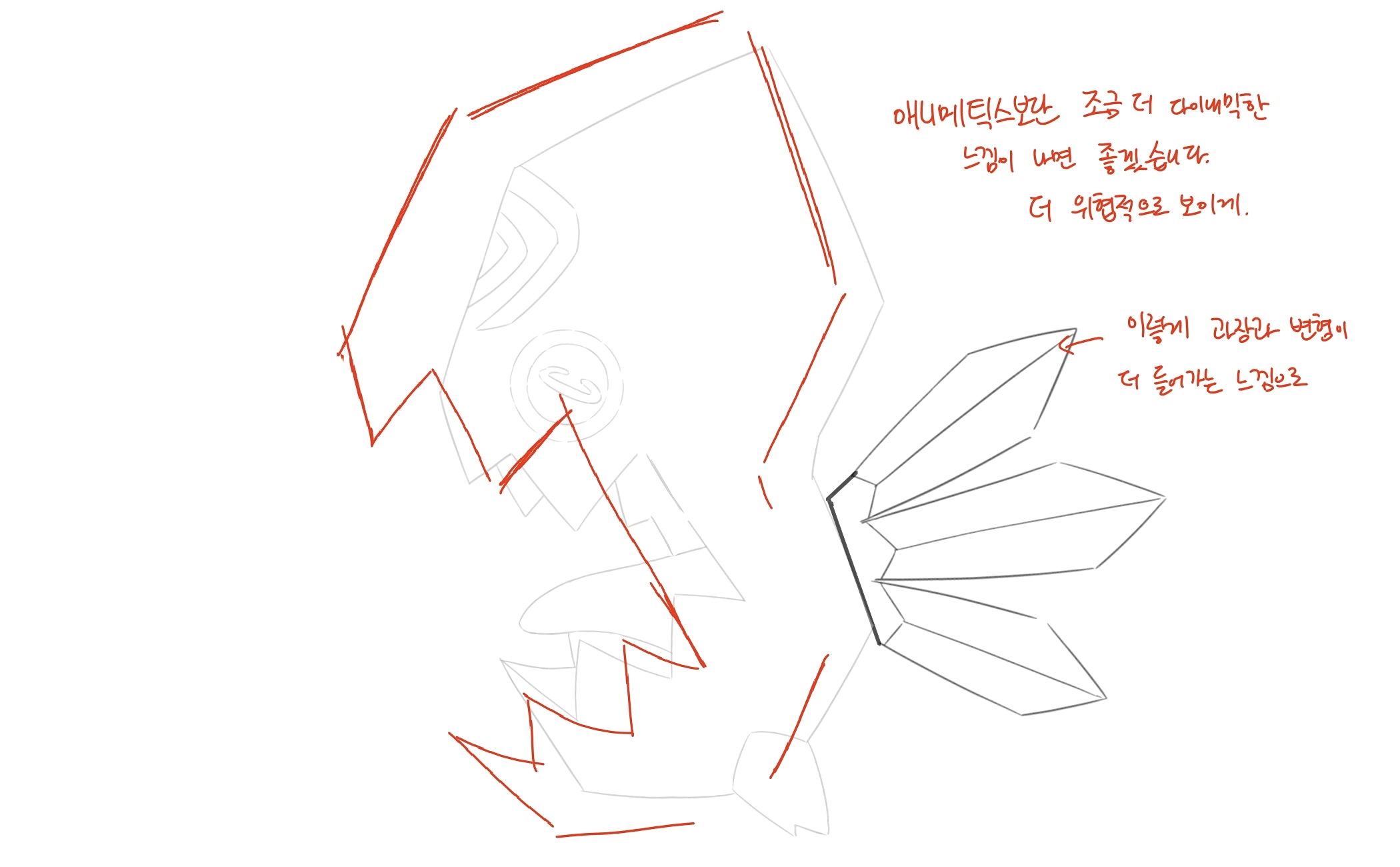
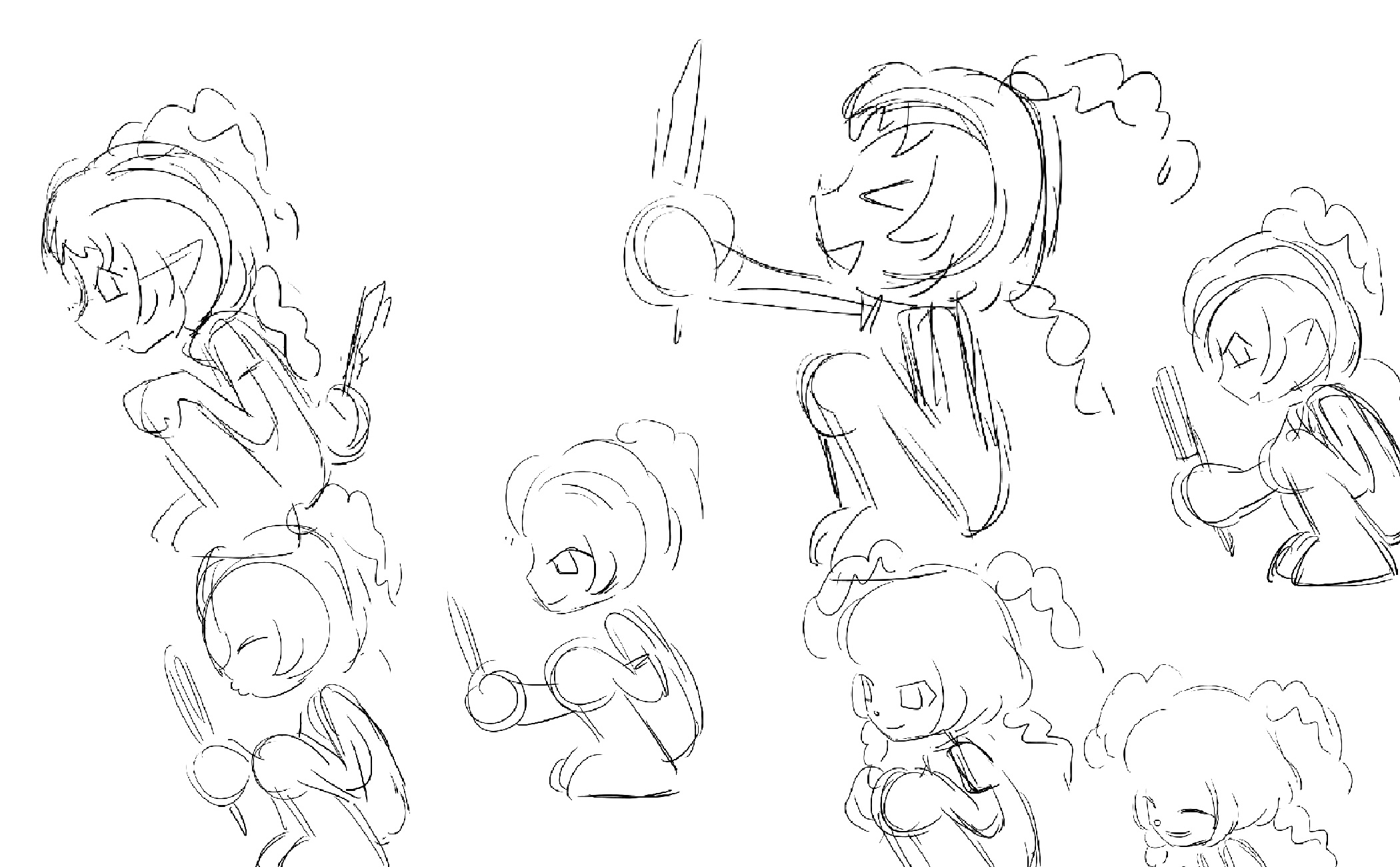
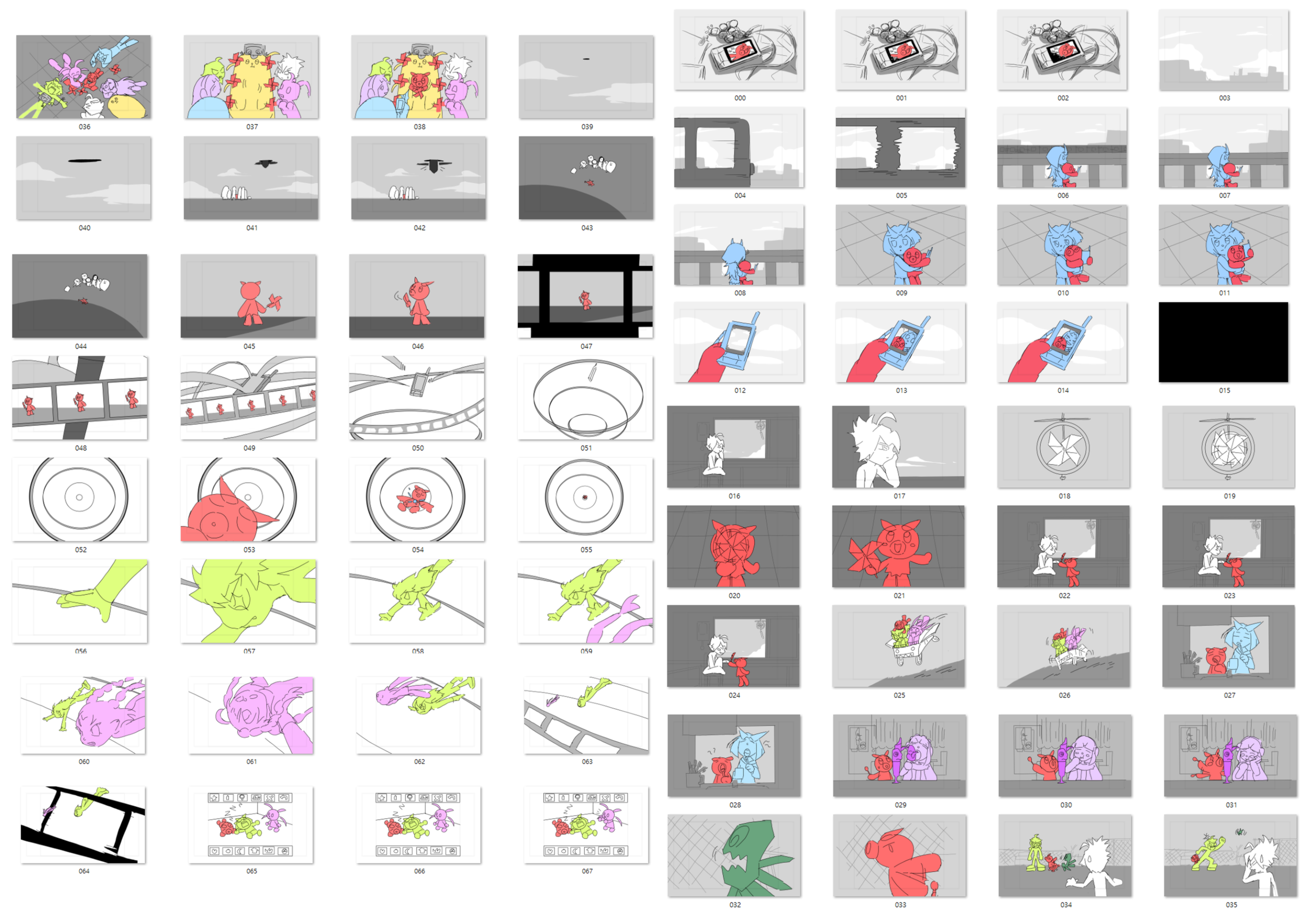
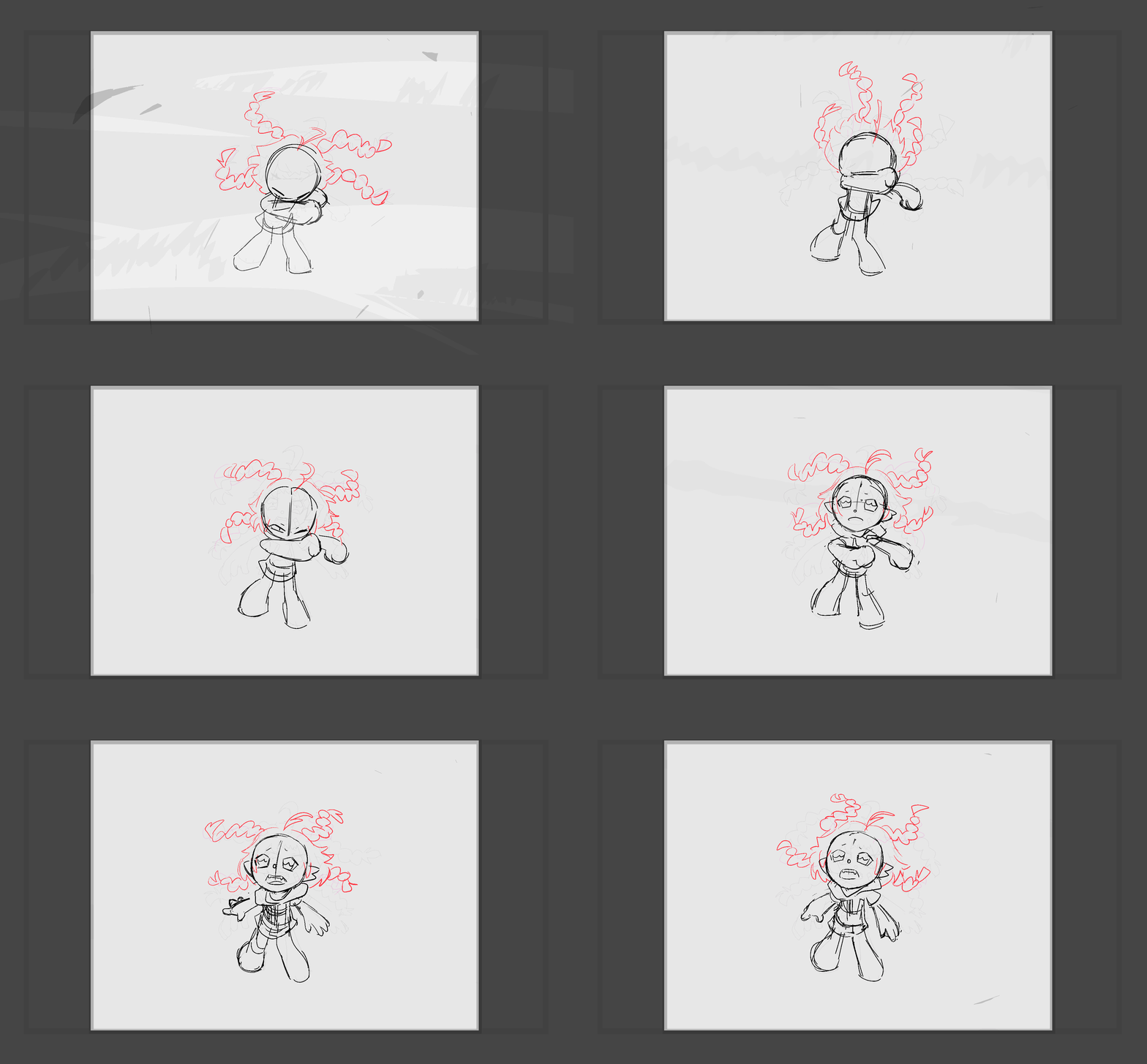
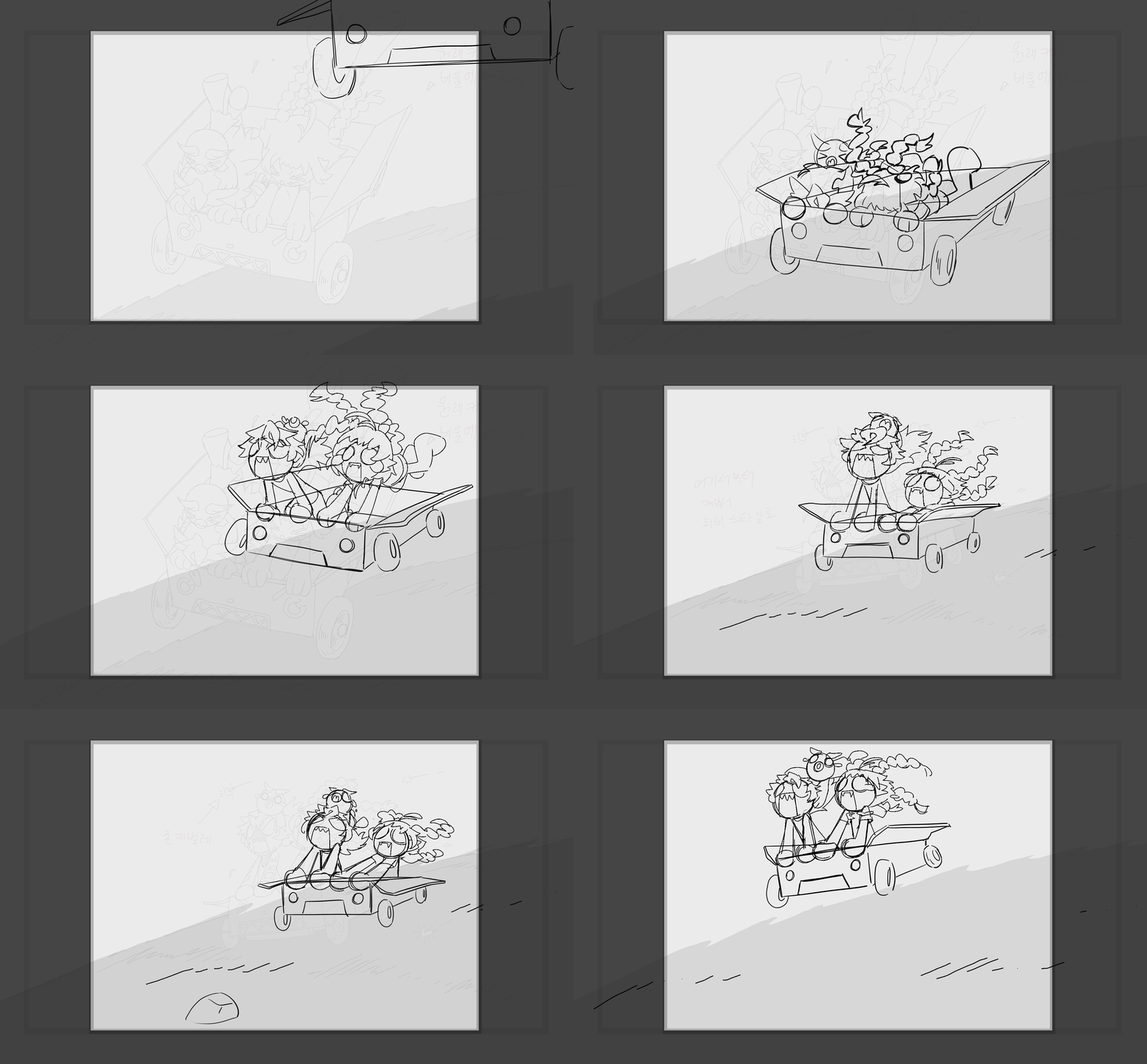
To briefly describe the production process: the direction team establishes the character positioning and a broad framework for the movements needed. From there, the director gives direction like “I want to put this in this cut!” After understanding the cut, I proceed with a first rough pass, putting in my own interpretation and ideas, and then check with the direction team to see if it’s alright. After confirming that the directorial intent hasn’t been altered, once I get the okay, I proceed to a second rough pass that brings the movements closer to the character sheets in terms of detail. That was my role in this project — after that, what follows is the tie-down work of adding all the detail from the sheets, and then the cleanup work to produce the final lines.
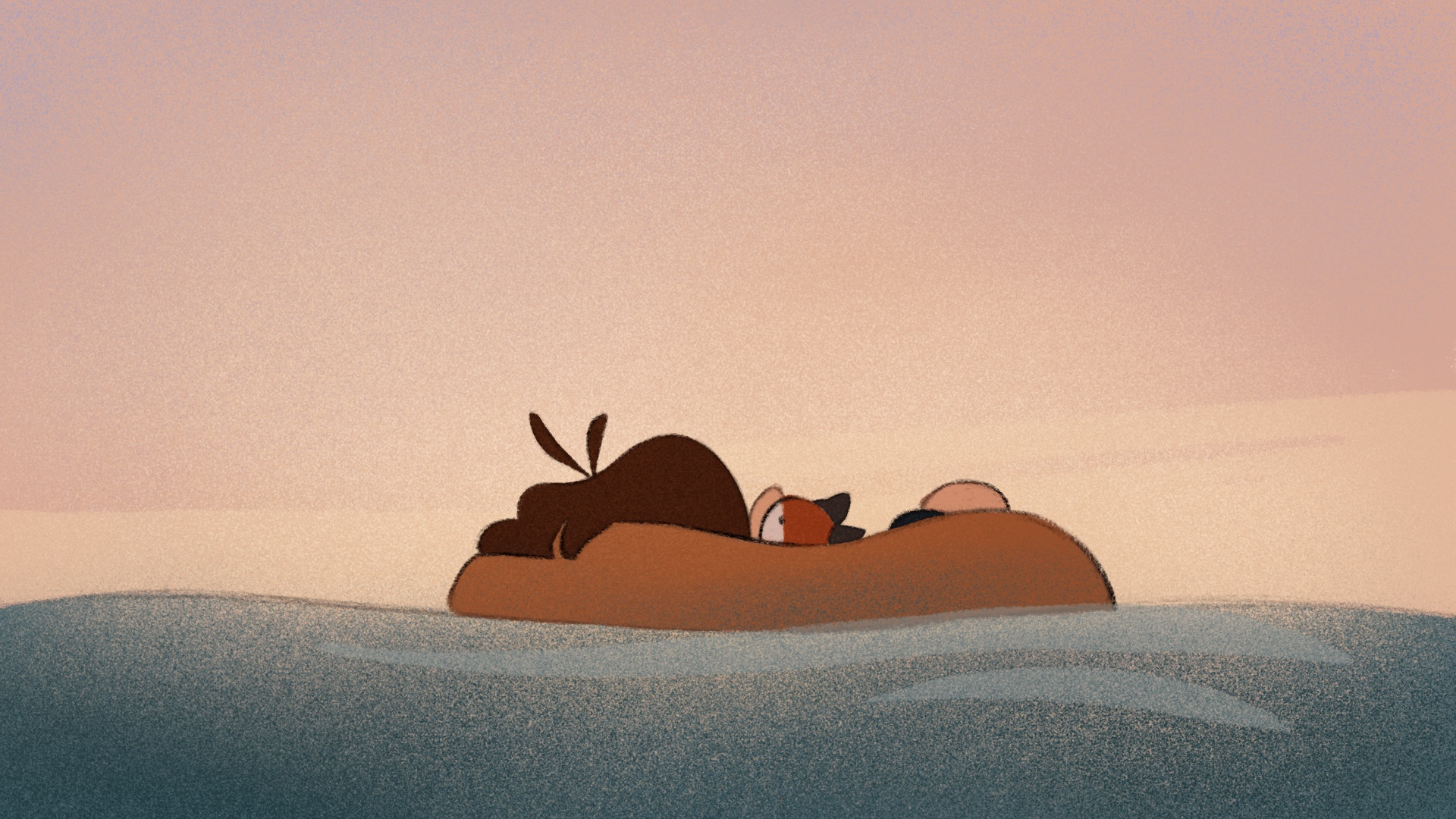
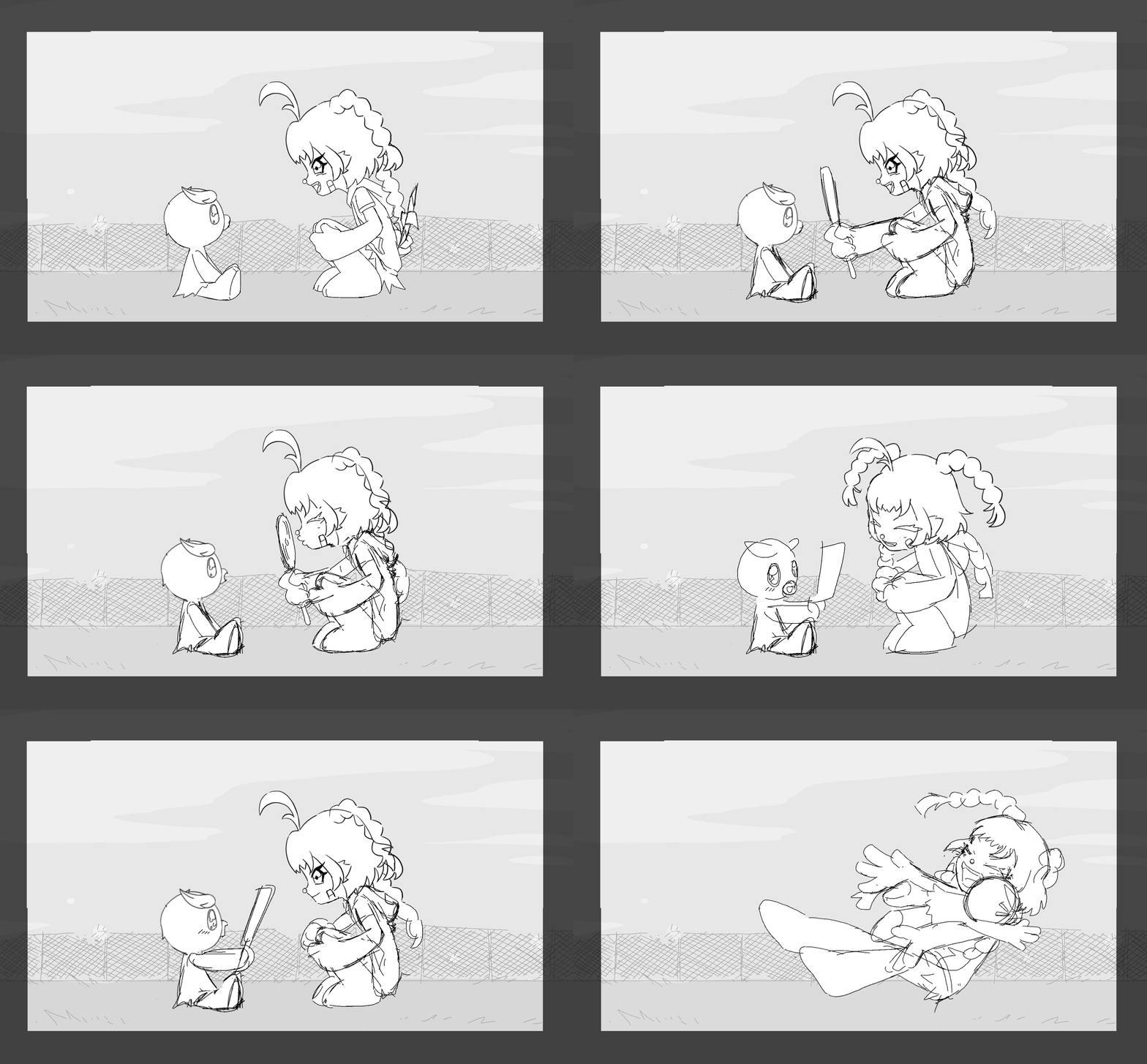
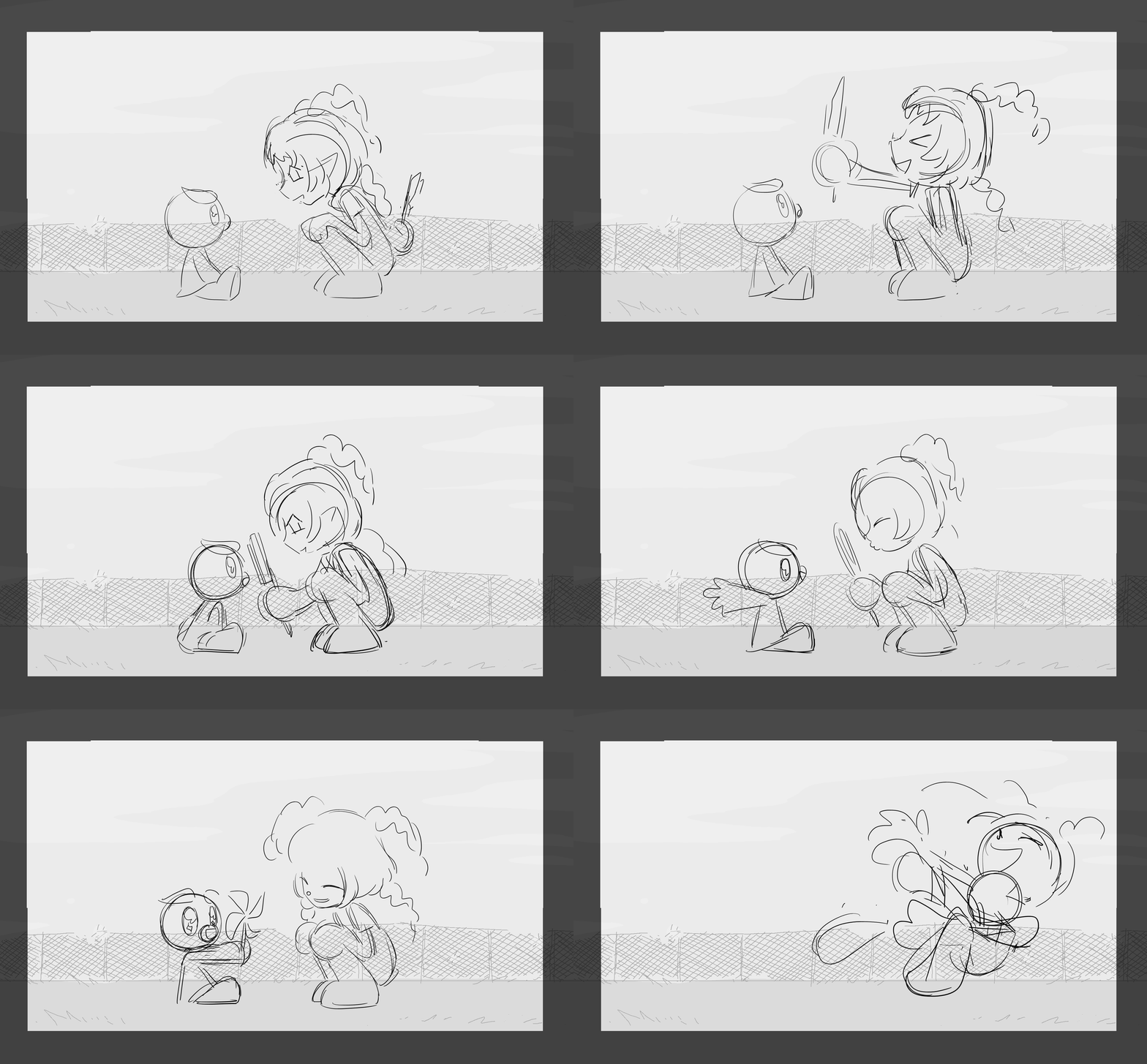
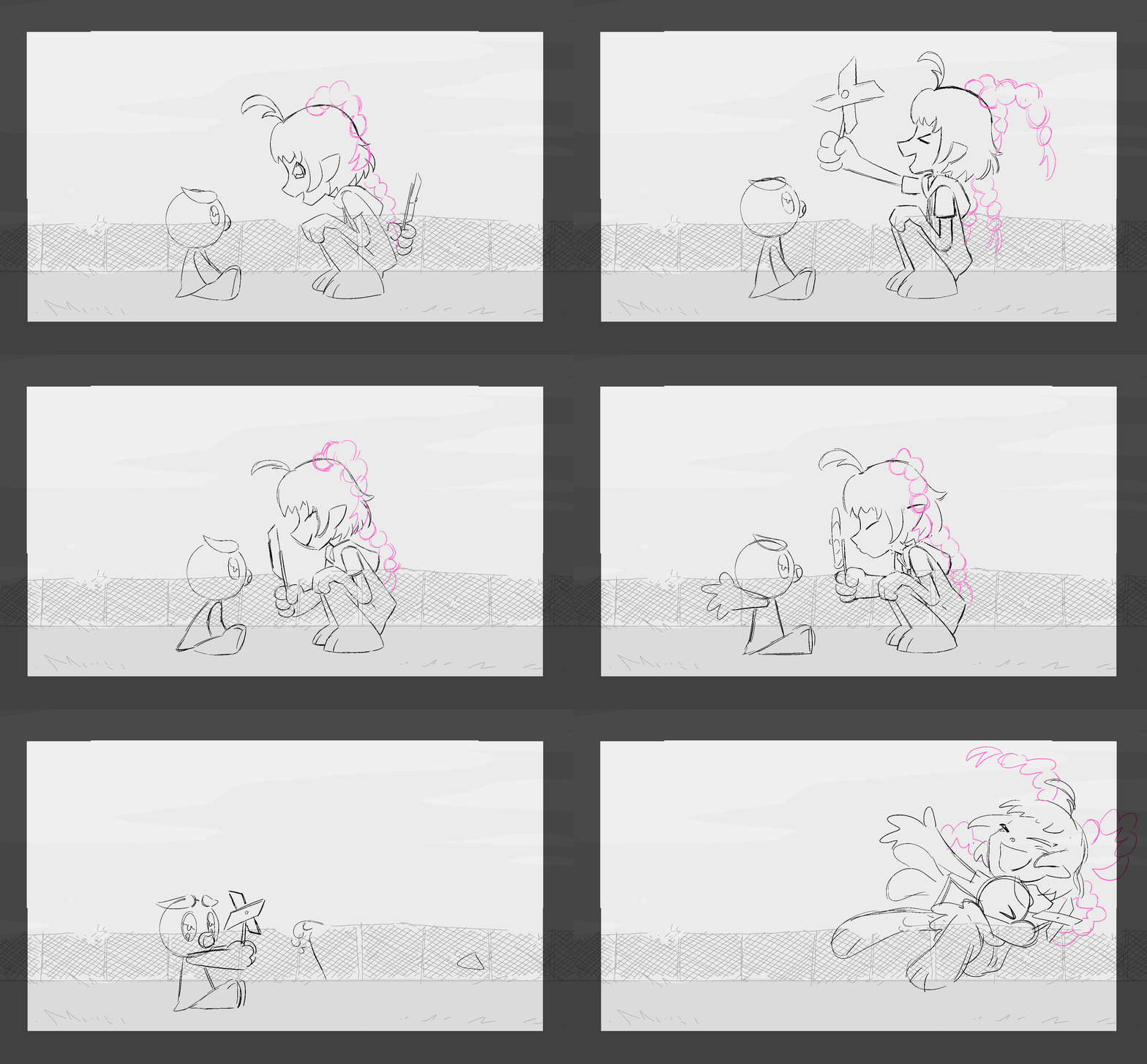
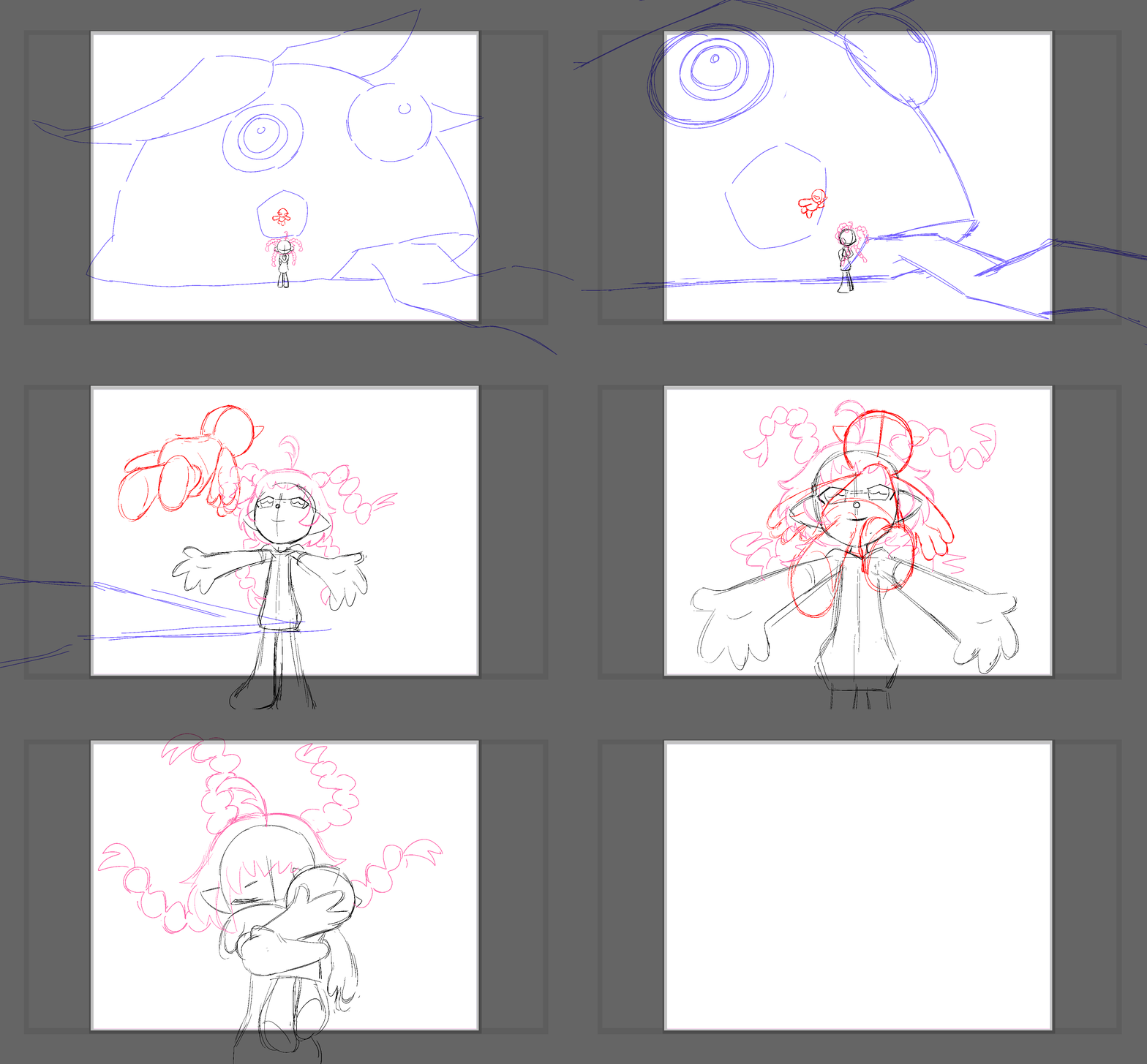
This scene was one where acting was especially important — it’s the part where the friends hand Jujubee a pinwheel, gently supporting them so that they can rebuild the memories they lost. “Jujubee seeing a pinwheel for the first time,” the “tomboyish personality of Kkamajaya,” and in the end, a touch of sorrow for Jujubee, who has lost their memories — I think I tried to capture all of that.
Many people around me said they loved the scene, but personally it was also a scene I felt a little unsatisfied with. There were so many emotional layers to perform that I wanted to be more delicate about it, but the cut was so long and the deadline was approaching, so I ended up just covering the necessary elements due to time — which leaves a lingering sense of regret. Still, there were people who said it moved them, and in those moments I feel purely happy.


Azikazin Magic World, “Shining Portal” Making continues in Part. 2.
To be continued…
Editor | Jang Jaehyuk
Special Thanks to Azikazin Magic World
* This interview was published through VISLA Magazine in February 2026.
** Special thanks to VISLA Magazine and Editor tontojang for permission to co-publish this interview on the Azikazin Magic World website.
*** Original interview: ‘Azikazin Magic World’s “Shining Portal” Making Part. 1’ https://visla.kr/feature/339343/
Latest News
-
March 6, 2026
Azikazin Magic World’s “Shining Portal” Making Part. 2
3 people from Dorepin village are talking now
-
March 6, 2026
Azikazin Magic World’s “Shining Portal” Making Part. 1
-
February 20, 2026
“Memory Overdrive” Physical Album Release Announcement
8 people from Dorepin village are talking now
-
February 9, 2026
Tra→Kids! Guidebook #12 Waewaeng
9 people from Dorepin village are talking now
-
February 8, 2026
Tra→Kids! Guidebook #11 Pak
5 people from Dorepin village are talking now
-
February 7, 2026
Tra→Kids! Guidebook #10 Moa
3 people from Dorepin village are talking now
-
February 6, 2026
Tra→Kids! Guidebook #9 Seiren
5 people from Dorepin village are talking now
-
February 5, 2026
Tra→Kids! Guidebook #8 Hole
2 people from Dorepin village are talking now
-
February 4, 2026
Tra→Kids! Guidebook #7 Kkamajaya
4 people from Dorepin village are talking now
-
February 3, 2026
Tra→Kids! Guidebook #6 Trash Mountain
2 people from Dorepin village are talking now
Latest Comment
-
March 6, 2026
Azikazin Magic World’s “Shining Portal” Making Part. 23 people from Dorepin village are talking now
-
March 6, 2026
Azikazin Magic World’s “Shining Portal” Making Part. 1 -
February 20, 2026
“Memory Overdrive” Physical Album Release Announcement8 people from Dorepin village are talking now
-
February 9, 2026
Tra→Kids! Guidebook #12 Waewaeng9 people from Dorepin village are talking now
-
February 8, 2026
Tra→Kids! Guidebook #11 Pak5 people from Dorepin village are talking now
-
February 7, 2026
Tra→Kids! Guidebook #10 Moa3 people from Dorepin village are talking now
-
February 6, 2026
Tra→Kids! Guidebook #9 Seiren5 people from Dorepin village are talking now
-
February 5, 2026
Tra→Kids! Guidebook #8 Hole2 people from Dorepin village are talking now
-
February 4, 2026
Tra→Kids! Guidebook #7 Kkamajaya4 people from Dorepin village are talking now
-
February 3, 2026
Tra→Kids! Guidebook #6 Trash Mountain2 people from Dorepin village are talking now
-
February 2, 2026
Tra→Kids! Guidebook #5 Uhkam10 people from Dorepin village are talking now
-
February 1, 2026
Tra→Kids! Guidebook #4 History of Dorephin6 people from Dorepin village are talking now
-
January 31, 2026
Tra→Kids! Guidebook #3 Gata6 people from Dorepin village are talking now
-
January 30, 2026
Tra→Kids! Guidebook #2 Memory Hall8 people from Dorepin village are talking now
-
January 29, 2026
Tra→Kids! Guidebook #1 Memory Overdrive9 people from Dorepin village are talking now
-
January 28, 2026
Release of Azikazin Magic World’s 「Shining Portal」 M/V and News on the Worldview Guidebook Serialization8 people from Dorepin village are talking now
-
January 28, 2026
Azikazin Magic World’s 1st LP 《Memory Overdrive》 Out Now6 people from Dorepin village are talking now
-
December 20, 2025
Announcement: Release of the Crazy DnB! performance featuring “END!”19 people from Dorepin village are talking now
-
December 19, 2025
Azikazin’s Online Store Update News -
November 10, 2025
Introducing the 《Memory Overdrive》 Pre-Showcase Event10 people from Dorepin village are talking now
-
November 3, 2025
Announcement: Release of the Rhythm* Pocket! episode featuring “Dorephin Shopping Center,” a track from Azikazin Magic World’s upcoming studio album.12 people from Dorepin village are talking now
-
October 4, 2025
【Interview】 『BRUTUS』 ~ The Korean Culture to Watch Now: Participation in the “Korean Culture News” Special Feature4 people from Dorepin village are talking now
-
June 26, 2025
【Making】 「Azikazin Play World」Episode 3: Bustling Scene!!10 people from Dorepin village are talking now
-
June 25, 2025
【Making】 「Azikazin Play World」 Episode 2: Giving Up Weekends for Game Production!!10 people from Dorepin village are talking now
-
June 24, 2025
【Making】 「Azikazin Play World」 Episode 1: Participating in a Game Exhibition?!4 people from Dorepin village are talking now
-
June 20, 2025
News : ‘Character IP Dictionary’ Special Feature of Korea’s Magazine Monthly 《Design》2 people from Dorepin village are talking now
-
June 11, 2025
News of the Release of the Live Clip Created for IU’s “Square’s Dream”2 people from Dorepin village are talking now
-
May 15, 2025
News of South Korea’s Game Exhibition PlayX4 Participation3 people from Dorepin village are talking now
-
April 21, 2025
【Making】 「PLAYERS」 Episode 3: Development for 3 Seconds13 people from Dorepin village are talking now
-
April 20, 2025
【Making】 「PLAYERS」 Episode 2: Characters and Monsters8 people from Dorepin village are talking now
-
April 19, 2025
【Making】 「PLAYERS」 Episode 1: The Game I’d Want to Erase My Memory to Play Again7 people from Dorepin village are talking now
-
April 17, 2025
News of Participation in the PlayStation® 30th Anniversary YOASOBI Collaboration Project2 people from Dorepin village are talking now
-
January 31, 2025
Azikazin’s Online Store Open News9 people from Dorepin village are talking now
-
January 15, 2025
≪POP-UP PLAY STORE≫ Background Music Released도레핀 마을의 아무것도 모르는 관찰자 just started a conversation
-
December 17, 2024
≪Pop-up Play Store≫ in an RPG World2 people from Dorepin village are talking now
-
November 30, 2024
Official Poster for Azikazin Magic World’s ≪Pop-Up Play Store≫ Unveiled도레핀 마을의 요구르트에 진심인 관찰자 just started a conversation
-
August 23, 2024
Exploring the Making of 「Hotel Room」 in Azikazin Magic World Through the Game7 people from Dorepin village are talking now
-
August 16, 2024
「Hotel Room (Rhythm*Pocket! Remix)」 Rhythm*Pocket! Volume 2 OUT NOW10 people from Dorepin village are talking now
-
July 28, 2024
Mini Album ~ 「Hotel Room」, new episodes, new characters… all revealed!11 people from Dorepin village are talking now
-
July 20, 2024
Azikazin’s new summer episode, 「Hotel Room」 to be released!도레핀 마을의 배고픈 관찰자 just started a conversation
-
July 10, 2024
Interview between Mixmag Korea and Azikazin Magic World13 people from Dorepin village are talking now
-
May 27, 2024
Live puppet show for Silica Gel’s cover song ‘LOST!’13 people from Dorepin village are talking now
-
May 15, 2024
Interview News with Lionclad and Azikazin Magic World!4 people from Dorepin village are talking now
-
March 22, 2024
Introduce the ((Rhythm*Pocket!)) and 「UloveUwaitingU」5 people from Dorepin village are talking now
-
March 19, 2024
Lionclad’s New Album, 「UloveUwaitingU」 Release Update -
December 21, 2023
「Keeper’s Wish」 OUT NOW.ᐟ .ᐟ .ᐟ도레핀 마을의 애니메이션 광 관찰자 just started a conversation
-
April 28, 2023
MESSY SAMPLES Song Camp -
April 1, 2023
「Guess what I did last night」 Release News -
April 1, 2023
A postcard from AZIKAZIN -
January 28, 2023
Passing Tourists released -
January 28, 2023
2022 AZIKAZIN POCKET*WINTER MOVIE -
December 29, 2022
Trash Mountain Soundtrack released -
December 17, 2022
Hi everyone,2 people from Dorepin village are talking now